
2026-01-08
Energy storage solutions within a container have become an enabling technology for modern electricity grids, particularly as regards the developments about renewable energy, a decentralized grid, and energy resilience going mainstream from the world of ideas into practice. The containerized solution bundles together the battery, the power electronics, and the control and protection systems within a standardized and portable box. However, functionality is far more complex than just stuffing a battery into a steel container.
A good container energy storage system should be able to balance performance, safety, flexibility, and long-term operability. Below are seven key factors that have consistently separated great container energy storage systems from sub-par designs.
Essentially, a battery energy storage solution for containers is a system-level product and not simply a combination of separate components. Batteries, inverters, battery management systems, thermal management, fire safety measures, and communication modules have to be designed to integrate from the very start.
Differently engineered systems may also face issues of inconsistent response times, inefficient energy coordination, or disjointed monitoring. With an integrated architecture in place, you can expect predictable performance, rapid start-up times, and ease of troubleshooting. This is also crucial with regard to system-level thinking, especially when the size and rating of the shipping container go up.
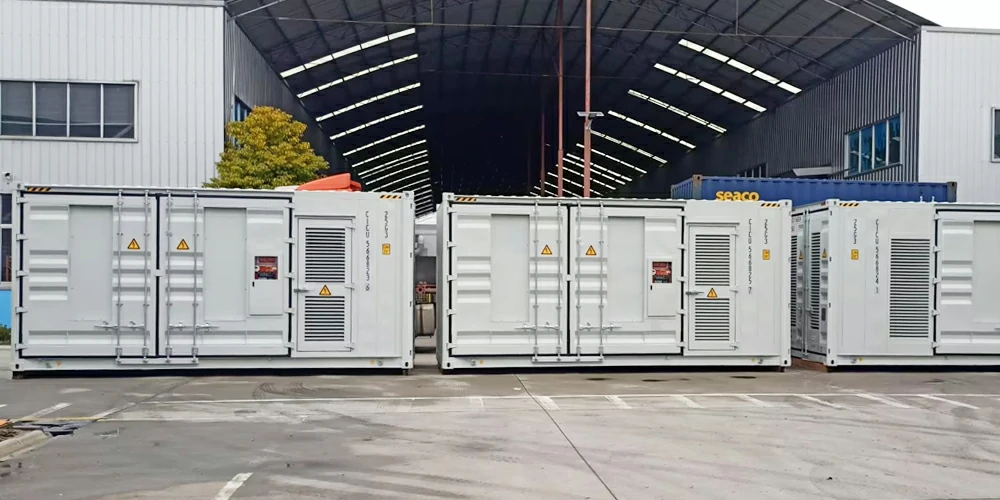
Safety cannot be compromised for the energy storage container system under any circumstances, especially when implemented near important infrastructure or populated regions. A reliable design for the energy storage system shall protect at different levels—starting from the cell level up to different suppression strategies at the full container level.
The U.S. Department of Energy’s publication Battery Energy Storage Systems Report shows that system safety is not achieved through a single component, but through coordinated design choices covering thermal behavior, electrical protection, and operational controls across the entire storage system.
One of the key characteristics of effective container energy storge is thermal stability. In reality, batteries will work effectively within a very narrow temperature range. In a container, thermal distribution could cause a battery to expire or initiate a safety event.
A better design will incorporate active cooling and heating, air flow optimization, and temperature monitoring. This is as opposed to taking advantage of typical environmental conditions. An important note is that thermal design considerations should be for worst-case conditions and not just typical conditions.
Properly controlled thermal systems enhance round-trip efficiency, rate of degradation resistance, as well as power density.
Scalability is one of the biggest strengths of energy storage in container technology. Good designs are scalable to accommodate this by scaling incrementally and adding to existing storage in containers as capacity is increased.
Scaleability requires standardized electrical connectivity, predictable control logic, and harmonized communication between containers. With scalability effectively managed, a project can begin small, be proven, and then scale without a hitch.
This is important, especially in the case of renewables, microgrids, and industry, in which the future growth in demand is anticipated but uncertain.
System behavior visibility distinguishes operational resources from black boxes. A functional energy storage container system will enable the monitoring of the state of charge, state of health, temperature, voltage, and fault status at all times.
Even more advanced solutions offer even more functionality, such as remotediagnostics and maintenance and fully automatic dispatching based on grid signals or energy price differences. Such solutions cut down on downtime and enable a data-driven approach to decision making rather than a reactive one.
In real-world implementations, robust monitoring is often found to be more important than slight improvements in capacity or efficiency.
Container energy storage solutions need to be developed to meet varied application requirements, such as peak shaving, frequency support, backup power, and renewable dispatch. Optimal solutions will involve dynamic control schemes as opposed to fixed operational characteristics.
It thus allows the use of the same hardware platform for various applications at different times, even when the market or regulatory environment changes. Compatibility with the grid communication technology and the control system is a major enabler of this aspect.
A container that is capable of adapting to its application is much more economically viable in the long term than a container that is dependent upon only one mode of operation.
Finally, effectiveness is measured over years, not months. Container energy storage systems work under diverse conditions-from deserts to coastal regions-and must resist temperature swings, humidity, and mechanical stress.
Reliable systems are built with durable materials, accessible component layouts, and maintenance-friendly designs. It enables clear service pathways, replaceable modules, and well-documented procedures that reduce lifecycle costs and prevent minor issues from becoming major outages.
Long-term reliability may be invisible at the time of sale, but it is what counts when the system is deployed and expected to perform each day.
Effective storage of energy in a container Does not rely on one successful innovation but rather on how well all seven components interact. Architecture for integration enhances safety. Thermal management helps retain performance. Monitoring contributes to reliability. Scalability and flexibility are what ensure future value.
In the view of project developers, engineers, and asset managers, the next step would necessarily be to assess storage systems based on these criteria as an overall package, and not merely through the prism of battery technology or overall storage capacity. This approach ensures the development of systems with predictable performance, adaptability over time, and the robustness deemed desirable in modern energy infrastructure.
How to Optimize Thermal Management in Solar Container
The Future of High-Density Storage: 5MWh+ in a Single 20ft Container
Second-Life EV Batteries in Solar Containers: Technical Challenges and Solutions
Corrosion Resistance 101: Why C5-M Coating is Essential for Offshore Solar Platforms
The Role of Smart Monitoring Systems in Extending Solar Container Lifespan