
2026-02-25
The base energy storage system (BESS) is now set to become a fundamental ‘building block’ for the UK’s electricity system transformation. With renewable generation growing and power demand predicted to increase significantly, storage is now a must-have part of the infrastructure. It’s what makes the grid balanced, resilient, and economically efficient.
Wind and solar generation are variable by nature. In the absence of a dependable means to bank surplus electricity and release it on demand, the system would experience curtailment losses, instability, and escalating costs. Here is where BESS begins to play a foundational part – storing excess energy, smoothing frequency, and making for a cleaner, more flexible grid.
The UK’s strategy for decarbonisation depends very largely on electrification and developing renewables. The grid also must run with fewer dispatchable baseload plants as fossil fuel generation dwindles. Storage makes up that difference, providing flexibility that traditional infrastructure once did.
In three key ways, a base energy storage system serves the grid:
These services minimize dependence on peaking plants and enhance system efficiency. To put it bluntly, storage allows the grid to act predictably when it can’t rely on the predictability of its generation sources.
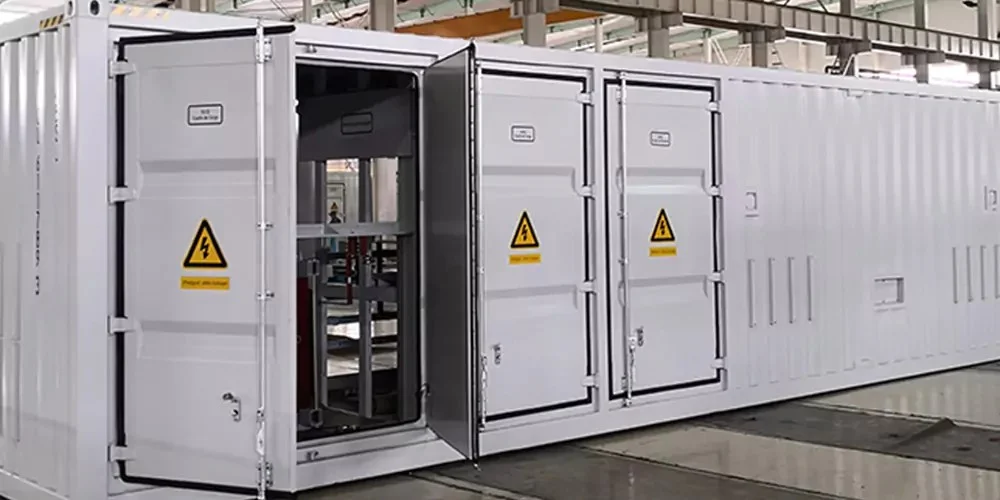
Renewable energy sources can provide abundant electricity when demand is low. Without storage, the energy dissipates. Thanks to BESS, the stored power can be discharged at high demand time, with better energy resources utilization and lower system cost.
This feature is particularly crucial for offshore wind, which has recently become a significant proportion of the UK’s generation capacity. With delivery scaled, so-scale should grid-scale storage.
Transport and heating electrification will result in increased demand volatility. Electric vehicles, heat pumps, and smart home appliances bring new loads that the grid must handle.
Storage makes these variations mild by shaving peaks and filling the valleys of demand. It serves as a buffer, essentially, between consumer demand and supply-side constraints.
The pace of battery storage deployment in the UK has picked up over recent years, driven by falling technology costs and market incentives. Currently, lithium-ion systems dominate due to their efficiency, response times, and scalability.
Looking forward, the long-term outlook does signal growth in both transmission-connected and distributed storage. As the system becomes more complicated, storage will transition to a core grid asset rather than an ancillary grid asset.
Below are some of the trends that we see shaping the base energy storage system deployment:
These advances make storage more cost-effective and enhance operational value.
Though lithium-ion is still the predominant technology in short-duration storage, long-duration technologies are gaining focus. Pumped hydro, compressed air and flow batteries have multi-hour or multi-day storage potential, providing a complement to battery systems.
A diversified portfolio reduces technology risk and ensures that the grid can handle a variety of operational scenarios.
With deployment ramping up, safety issues are priorities once again. Battery fires—while rare—have garnered global attention and highlight the need for robust standards and system-level risk evaluation.
The National Fire Protection Association’s publication NFPA 855 Standard for Energy Storage Systems explains that comprehensive safety frameworks must address installation design, fire suppression, and emergency response planning to reduce system-level risks.
Successful safety management includes:
It is an important message that has been reinforced repeatedly: safety is not just a technical matter, but one that depends on regulatory certainty and public trust. The standards are plain, so communities and other stakeholders can see how their risks are being managed.
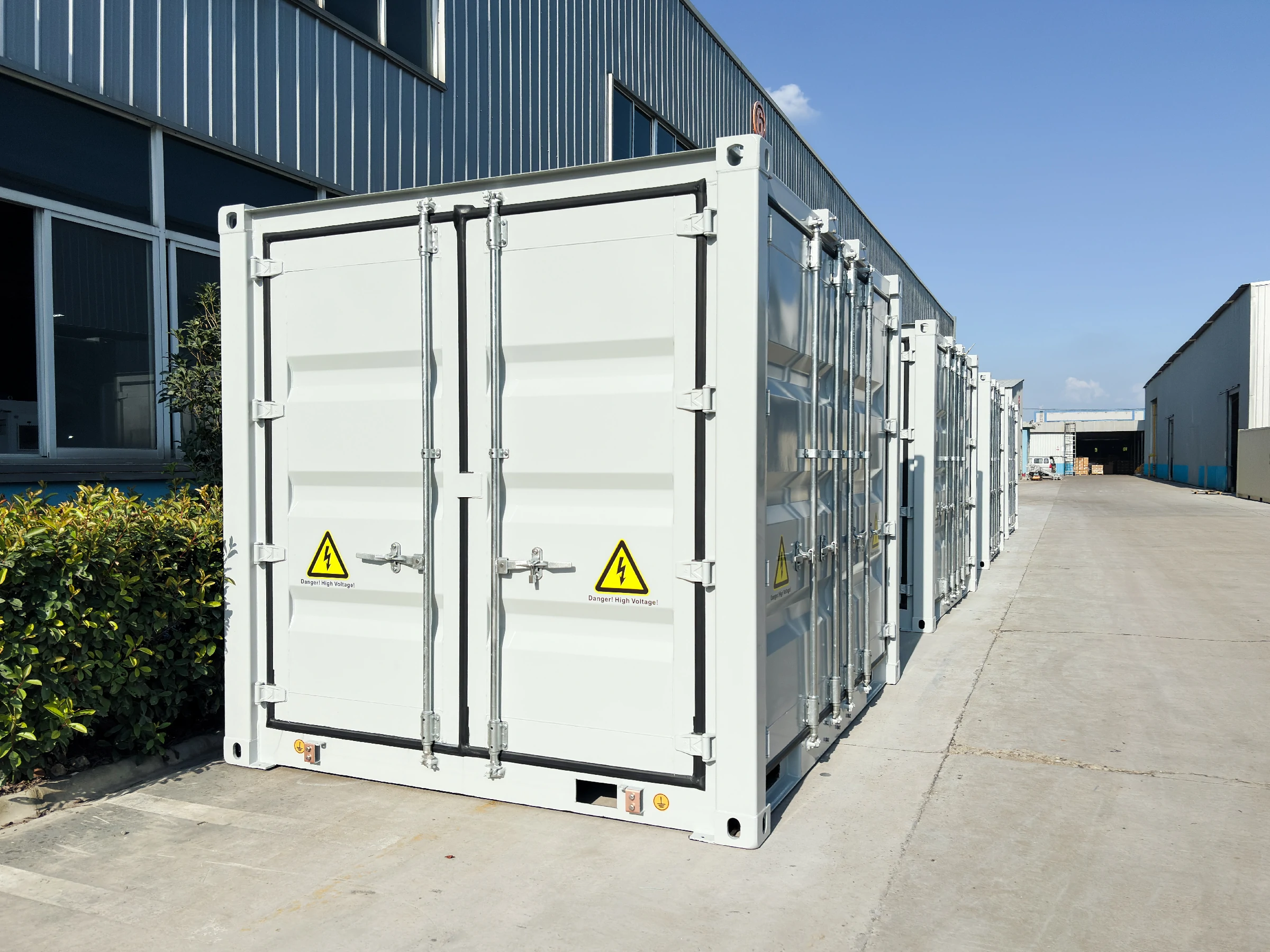
The grid's stability relies on a constant supply-and-demand equilibrium. Even minor variations can lead to frequency changes that damage equipment or result in power outages.
The International Energy Agency’s publication Energy Storage demonstrates that large-scale storage improves grid flexibility by enabling rapid response services and supporting higher shares of variable renewable energy.
Storage systems offer:
These functions have long been the domain of large thermal plants. Now, BESS essentially supplants traditional plants as these retire, filling the operational gap.
Contemporary storage systems can be connected to digital control systems allowing for automated dispatch and predictive maintenance. By connecting storage to the grid, instead of being a passive asset, it becomes active in grid management.
Intelligent storage management systems can react on price signals, weather forecasts, and consumption trends, to make the best use of the batteries while minimizing running costs.
Incleaningstorage systems provide economic value in addition to technical benefits. They mitigate curtailment, defer grid upgrades, and enhance market efficiency by facilitating energy arbitrage.
Instorage contributes to energy security by decreasing reliance on imported fuels and increasing resilience to supply disruptions for policy makers.
Consumers ultimately see benefits for a more stable, and potentially lower cost, electricity system. Upfront costs are high, but savings across the system build over time.
Delivering the net-zero transition will require the reliable integration of large shares of renewable energy. Storage enables this transformation to align intermittent generation with continuous demand.
Renewable penetration would be subject to practical limits without storage. This allows the grid to be more deeply decarbonised while preserving the quality of its output.
The energy system of the future in the UK is likely to be a mix of lithium-ion batteries, long duration technologies, and distributed resources, such as vehicle-to-grid solutions noting.
As plug-in electric vehicles proliferate, their collective battery storage capacity can serve as a virtual storage network, providing even more flexibility.
But responsible scaling of storage demands aligned policies, investments, and standards. Market designs which remunerate for flexibility services, and planning instruments which facilitate project deployment.
Efficient energy storage systems are no longer an add-on technology but rather the core of the UK energy transition. By balancing the grid, facilitating renewable integration, and improving resilience, BESS serves as the operational infrastructure of a decarbonized electricity system.
The practical takeaway for energy planners, utilities, and investors is simple: focus on the integration of storage in infrastructure planning, design projects for compliance with evolving safety standards, and use storage as the key to capturing the full value of renewable generation.
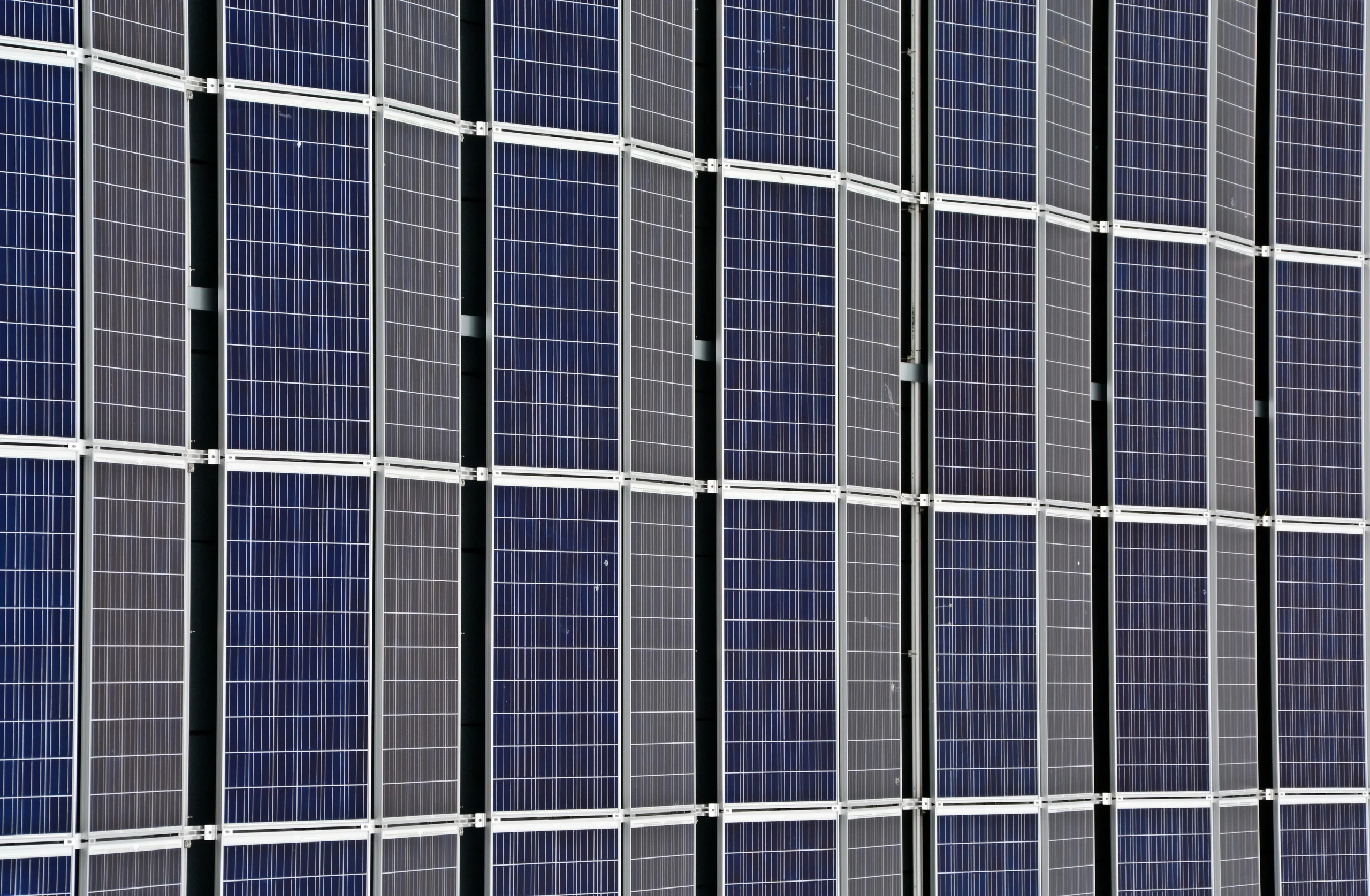
How to Optimize Thermal Management in Solar Container

The Future of High-Density Storage: 5MWh+ in a Single 20ft Container
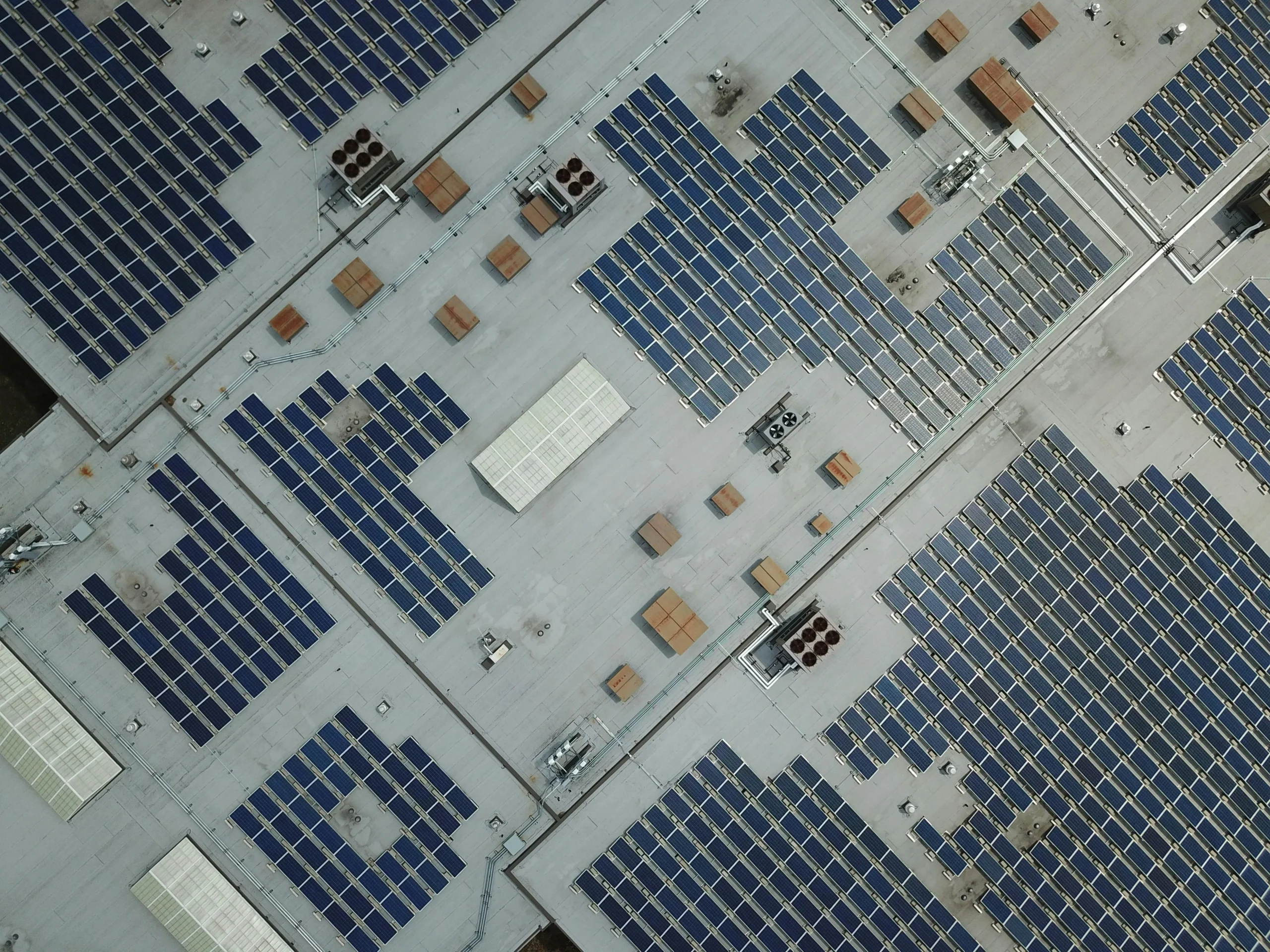
Second-Life EV Batteries in Solar Containers: Technical Challenges and Solutions
Corrosion Resistance 101: Why C5-M Coating is Essential for Offshore Solar Platforms

The Role of Smart Monitoring Systems in Extending Solar Container Lifespan