
2026-05-05

As the world shifts towards renewable energy sources, solar containers have become an increasingly popular solution for providing power in remote or off-grid locations. However, one of the key challenges in deploying solar containers is thermal management. High temperatures can significantly reduce the efficiency and lifespan of solar panels and other equipment, making it essential to optimize thermal management in these systems.
Solar containers typically consist of a combination of solar panels, battery storage systems, and power conversion equipment, all housed in a single container. While this design offers many advantages, including ease of deployment and maintenance, it also presents thermal management challenges. The high density of equipment in a small space can lead to increased temperatures, which can negatively impact system performance and reliability.

Heat generation is a natural byproduct of the electrical activity in solar containers. Solar panels, batteries, and power conversion equipment all generate heat as they operate, which can accumulate and increase the overall temperature of the system. Understanding the sources and mechanisms of heat generation and transfer is crucial for developing effective thermal management strategies.
Several cooling systems and techniques can be employed to mitigate the effects of heat in solar containers. These include air-based cooling systems, liquid-based cooling systems, and hybrid systems that combine different cooling methods. Each approach has its advantages and disadvantages, and the choice of cooling system will depend on factors such as the size and type of equipment, the ambient temperature, and the available budget.
Real-time thermal monitoring and control are essential for optimizing thermal management in solar containers. By tracking temperature levels and adjusting cooling systems accordingly, operators can ensure that equipment operates within safe and efficient temperature ranges. This can be achieved through the use of temperature sensors, monitoring software, and automated control systems.
Optimizing thermal management in solar containers has numerous applications across various industries. For example, in the telecommunications sector, solar containers are often used to power cell towers and other remote infrastructure. By improving thermal management, operators can reduce downtime, extend equipment lifespan, and improve overall network reliability.
In conclusion, optimizing thermal management in solar containers is critical for ensuring the efficiency, reliability, and lifespan of these systems. By understanding the sources and mechanisms of heat generation and transfer, employing effective cooling systems and techniques, and implementing real-time thermal monitoring and control, operators can mitigate the negative effects of heat and improve overall system performance.
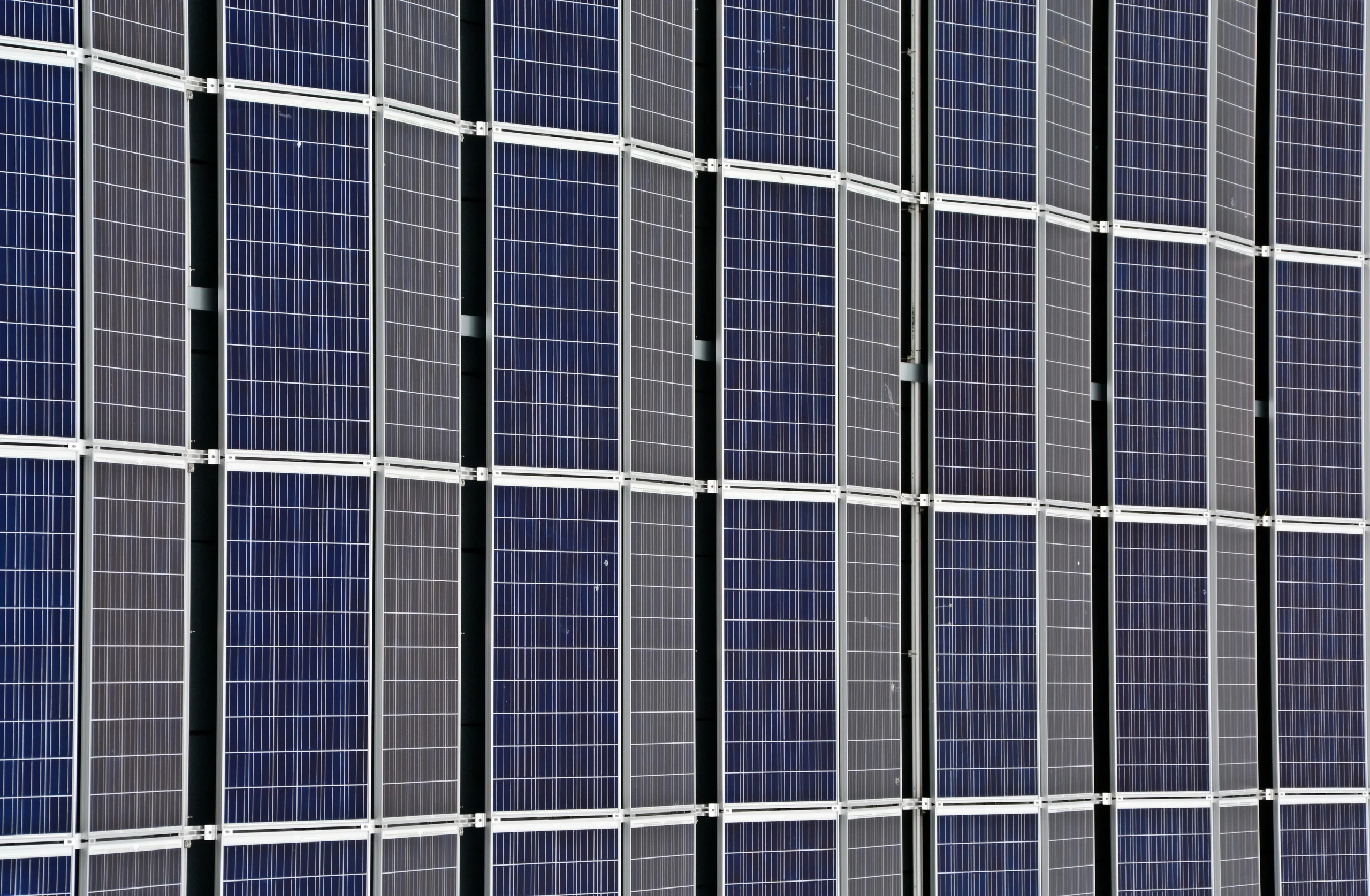
How to Optimize Thermal Management in Solar Container
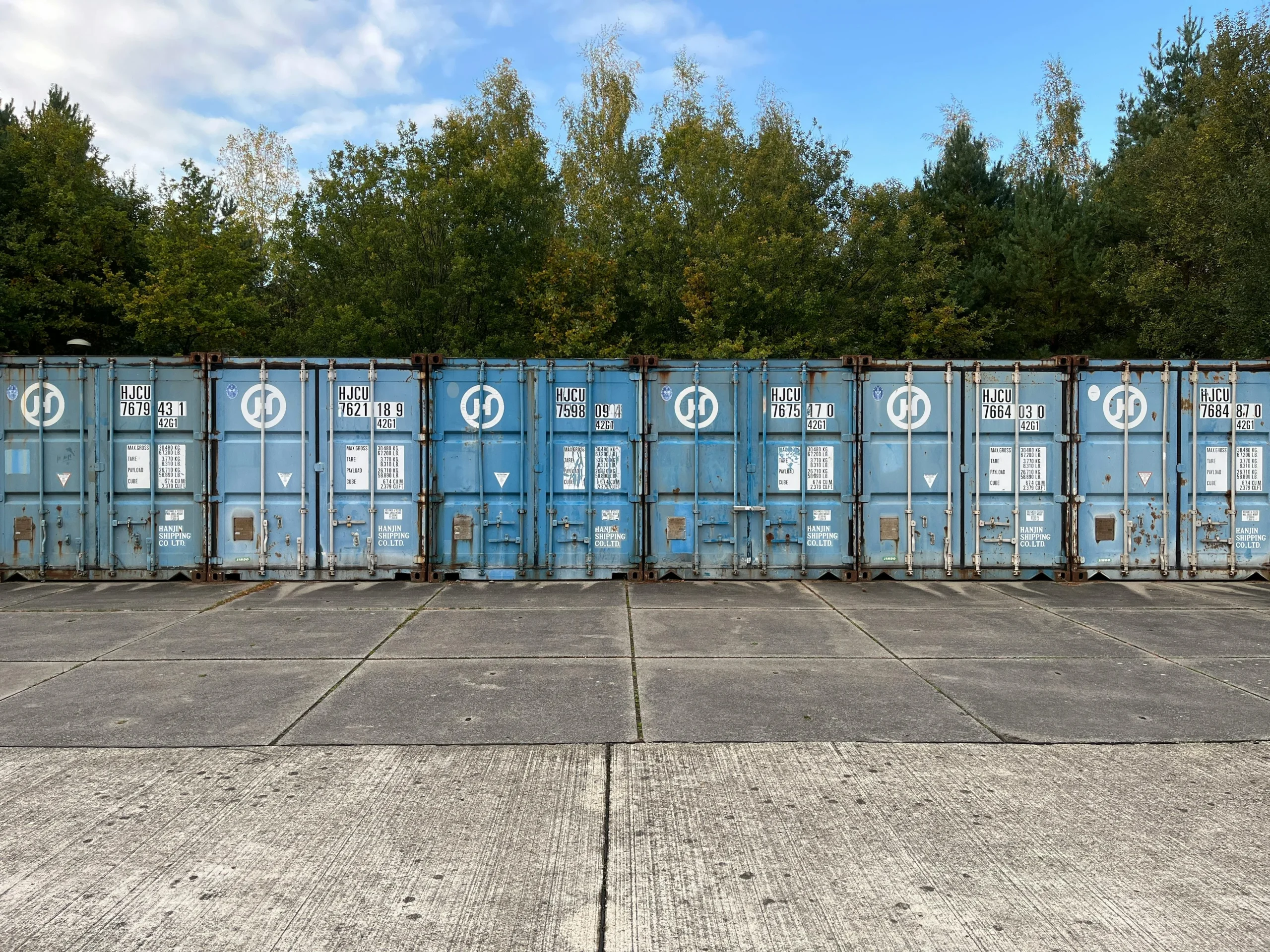
The Future of High-Density Storage: 5MWh+ in a Single 20ft Container
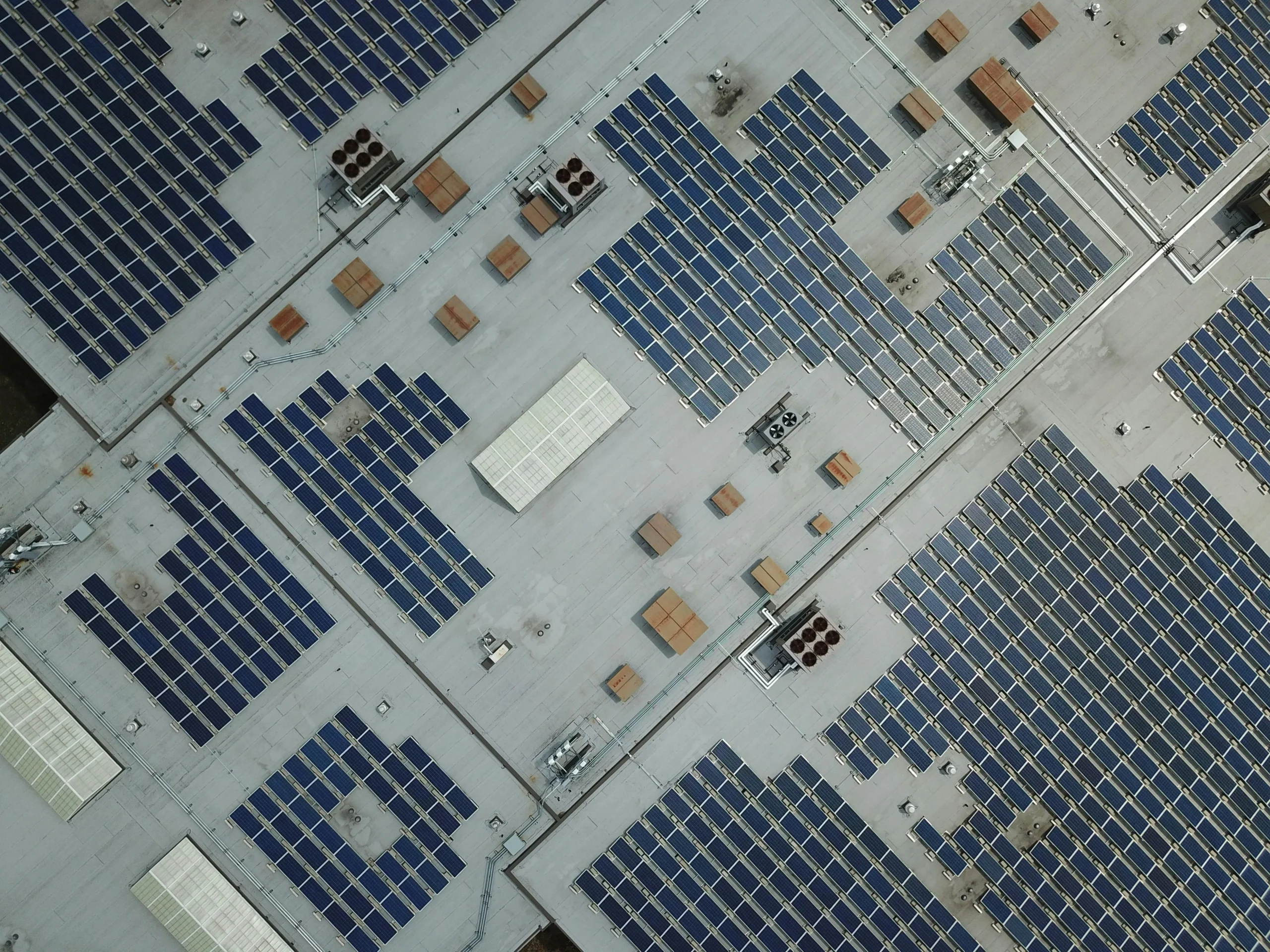
Second-Life EV Batteries in Solar Containers: Technical Challenges and Solutions
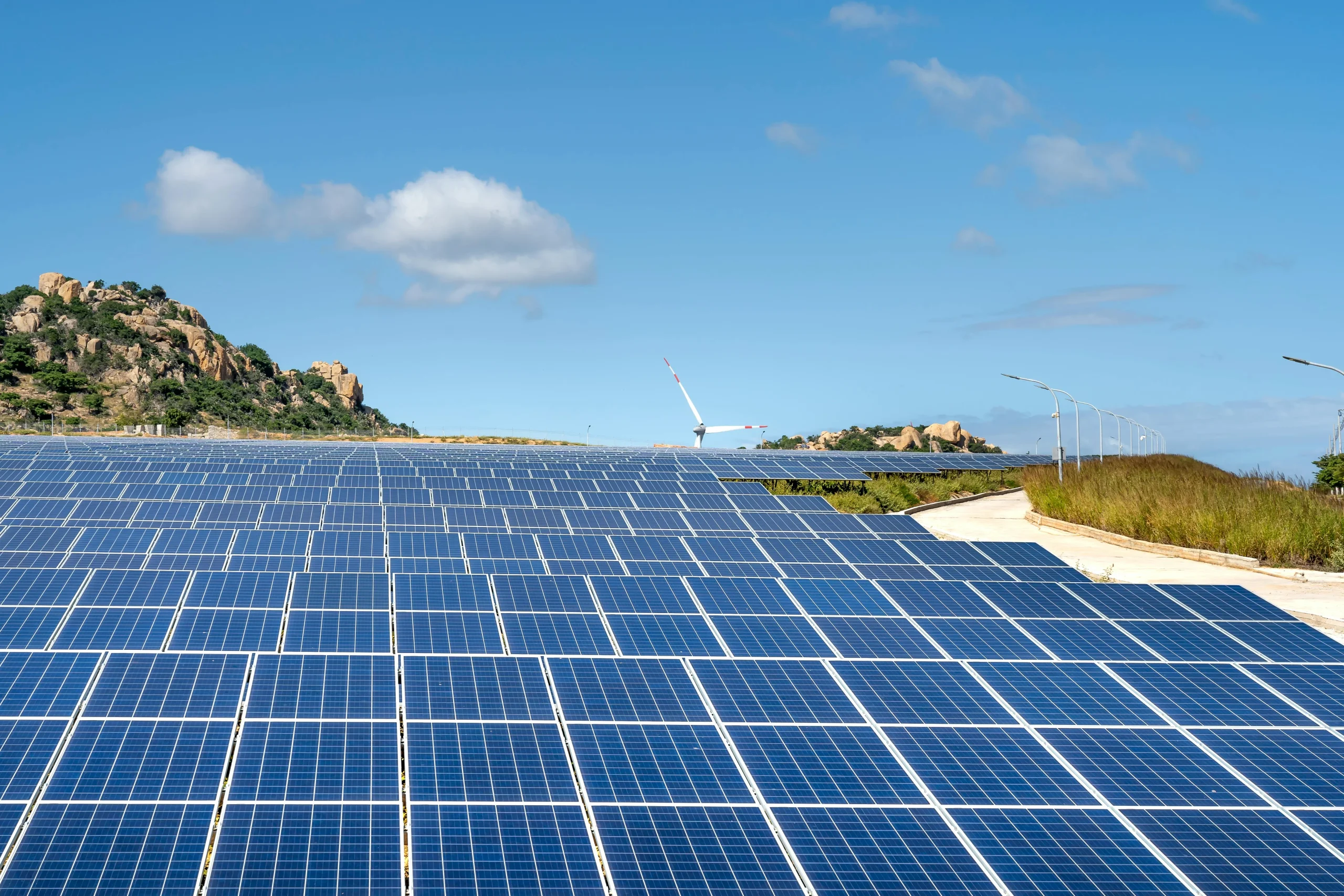
Corrosion Resistance 101: Why C5-M Coating is Essential for Offshore Solar Platforms
The Role of Smart Monitoring Systems in Extending Solar Container Lifespan