
2026-05-04
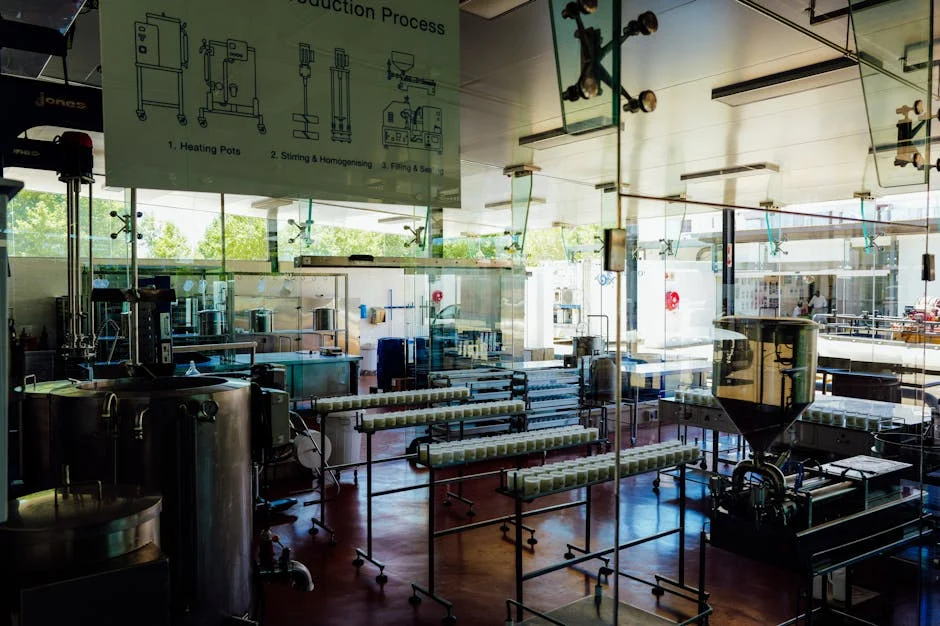
The world is shifting towards renewable energy sources, and with this shift, the need for efficient energy storage solutions has become more pressing. One of the most significant advancements in this field is the development of high-density storage systems that can store massive amounts of energy in compact spaces. This article delves into the future of high-density storage, focusing on the impressive achievement of storing 5MWh+ in a single 20ft container.
Traditional energy storage solutions, such as batteries, have limitations when it comes to scalability and density. The demand for higher capacity storage has driven innovation, leading to the development of advanced technologies that can pack more energy into smaller spaces. The concept of storing 5MWh+ in a single 20ft container represents a significant milestone in this journey, offering unprecedented storage density that can transform the way we manage energy.
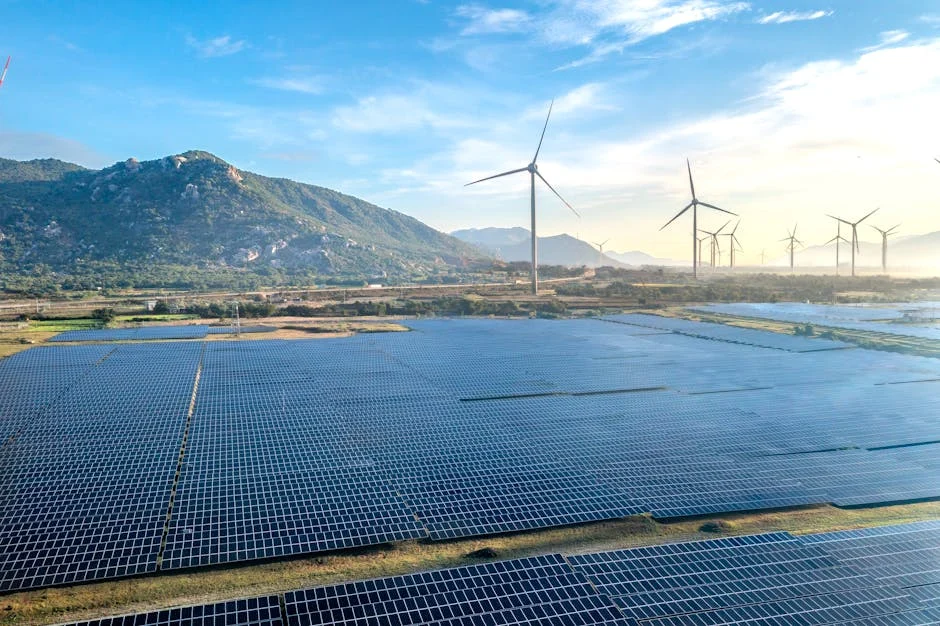
Several technological advancements have made high-density storage possible. These include improvements in battery technology, such as the development of more efficient and compact battery cells, and the integration of advanced materials that enhance energy storage capacity. Additionally, innovative cooling systems have been designed to manage the heat generated by high-density storage, ensuring safety and efficiency.
The economic and environmental implications of high-density storage are profound. By enabling the storage of large amounts of renewable energy, these systems can significantly reduce our reliance on fossil fuels, thereby decreasing greenhouse gas emissions. Economically, they offer a cost-effective solution for energy storage, making renewable energy sources more viable for widespread adoption.
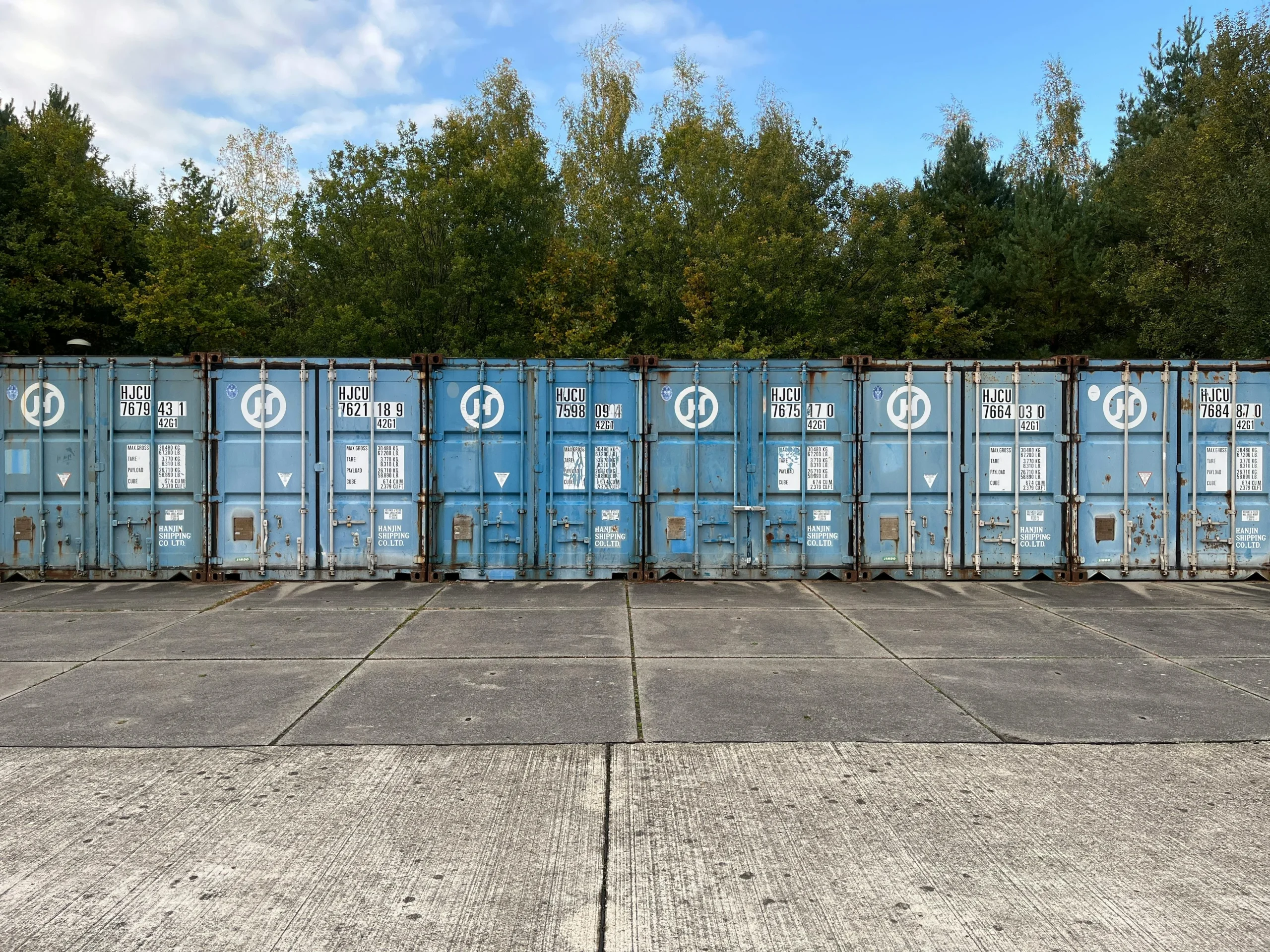
One of the key benefits of achieving 5MWh+ storage in a 20ft container is the scalability and flexibility it offers. These containers can be easily transported and deployed in various locations, from remote areas to urban centers, providing energy storage solutions tailored to different needs and contexts. This versatility is crucial for supporting the diverse requirements of the energy market.
The applications of high-density storage are vast and varied. They can be used to support grid stability by storing excess energy generated from renewable sources and supplying it back to the grid when needed. They can also power remote communities, provide backup power for critical infrastructure, and enable the widespread adoption of electric vehicles by supporting fast charging stations.
In conclusion, the future of high-density storage, as exemplified by the capability to store 5MWh+ in a single 20ft container, is promising. It represents a significant step forward in our ability to efficiently store and manage energy, supporting a transition to a more sustainable and renewable energy-based economy. As technology continues to evolve, we can expect even more innovative solutions to emerge, further transforming the energy landscape.
How to Optimize Thermal Management in Solar Container
The Future of High-Density Storage: 5MWh+ in a Single 20ft Container
Second-Life EV Batteries in Solar Containers: Technical Challenges and Solutions
Corrosion Resistance 101: Why C5-M Coating is Essential for Offshore Solar Platforms
The Role of Smart Monitoring Systems in Extending Solar Container Lifespan