
2026-02-02
When people ask about the cost of a container home, they are looking for a single answer. The truth is that the cost of a container home is less about the container and more about how the home is designed, insulated, powered, and integrated into the environment. A container home can be simple and functional, or it can be a highly engineered, energy-efficient home that costs no more than a traditional home.
Most often, when people ask about the cost of a container home, they are asking about a small residential container home that is built using one to three shipping containers and is designed for permanent living. At this scale, the container is merely a building shell and not a finished product.
Although used containers are reasonably priced, the cost of converting them into habitable space is substantial. This is because the cost of modifications, insulation, installation of utilities, and finishing the interior space is high. By the time these costs are factored in, the project is practically similar to traditional residential construction.

The cost of the container itself may be one of the lowest expenses. This is because steel needs to be reinforced when cutting out openings for windows and doors. Containers also need to be protected from corrosion, especially in areas with high humidity or near the ocean. Transportation and installation costs are also high, especially in inland or hard-to-reach areas.
The cost of conversion is high. Insulation is a major concern because steel conducts heat quickly. Without proper insulation, the interior space is hot and uncomfortable. Interior finishing, plumbing, electrical, HVAC, and other expenses are similar to those incurred in traditional residential construction.
In most cases, the cost of the container is a small percentage of the total construction cost.
Energy efficiency is the area of container home costs, where more variance is found. Simple designs which only meet the bare bone code requirements cost less initially, but are more prone to failure over time. Higher performance designs demand better insulation assemblies, airtight construction, and meticulous detailing.
The Journal of Building Engineering’s publication A multidimensional assessment of passive container houses: Energy, emissions, and economics shows that improving the thermal and energy performance of container houses increases initial construction costs but reduces energy demand and emissions across the building’s lifecycle. This highlights a key point: container home cost should be evaluated over time, not only at the moment of construction.
Homeowners are often faced with a choice of paying less out of pocket or less to buy energy.
Solar container homes and off grid container homes add even more layers of cost. Solar panels, inverters and battery storage and control systems are also factors which can have an impact in the initial outlay. Water systems like rainwater harvesting systems, or water treatment on site bring more complexity.
But they also allow users to offload dependence on outside infrastructure. In distant areas off-grid might be the only option for supply - making the initial expense not just a choice.
Planning for a household off the grid influences design choices from the very beginning, including roof design and orientation as well as how much room you require for batteries and gear.
Climate has a bearing on cost. Insulation needs to be thicker and windows need to be higher performance in cold climates. Hot climate is a climate that needs shading, ventilation techniques and cooling. Attention must be given to moisture control and protection from corrosion in humid areas.
Local regulations also influence. Certain jurisdictions impose engineering evaluations, fire-resistance treatments or particular foundation systems on container-based buildings. These requirements raise professional fees and construction complexity, diminishing any perceived cost advantage.
It is a common misconception that container homes are cheaper than regular houses. The reality, however, is sometimes a bit closer than that.
Basic container houses can be priced competitively with small traditional homes. More complex projects, particularly those incorporating high energy-performance goals, can mirror or surpass conventional building costs. Modular construction, energy-efficient buildings and faster build times are among the advantages, rather than guaranteed cost savings, which is what container systems offer.
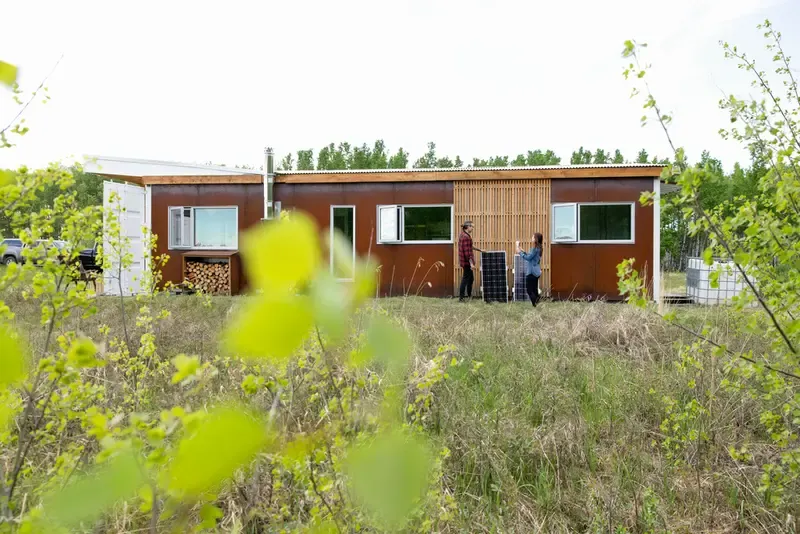
Several decisions in the design process have a disproportionate impact on cost. Single-container homes are also the cheapest option. Double stacking containers increases the complexity of the structure and the engineering need.
Large window openings need extra steel reinforcement and thermal bridging treatment. Choices for the interior finishes can be utilitarian or luxury and can have significant effect on the final cost.
Another big element of energy ambition. Houses built to use less energy or be nearly self-sufficient have higher up-front costs but may provide better comfort and lower operating costs over time.
Initial cost is only part of the picture. Poorly detailed container homes can suffer from condensation, corrosion, and thermal discomfort, leading to maintenance issues and higher operating expenses.
The study titled On the Emergence of Shipping Container Homes: Adaptation to Future Climate Projections, published by the International Journal of Built Environment and Sustainability, shows that container homes must be carefully adapted to environmental and climate conditions to remain resilient and habitable over time. This reinforces the importance of climate-responsive design in cost planning.
| Cost category | Why it matters |
| Container and transport | Structural base and logistics |
| Structural modification | Required for openings and stacking |
| Insulation and envelope | Drives comfort and energy use |
| Interior build-out | Similar to conventional housing |
| Energy systems | Major variable for solar and off-grid homes |
| Permits and engineering | Location-dependent regulatory cost |
A shipping container home should be considered as a small house constructed out of steel modules as opposed to wood framing. After all the fees are added in, costs usually parallel those of small traditional homes. Extreme savings is a concept; somewhat mythical, but well-built container homes can be efficient and extremely flexible.
If you are planning at weaving a container home, begin with performance goals — not container count. Establish intentions on energy, grid connection, climate, etc. Use the container as a structural device, not as a crutch or shortcut.
A realistic life-cycle cost approach to decisions results in better decisions and fewer regrets, and leads to a shipping container home that is both functionally and structurally sound.
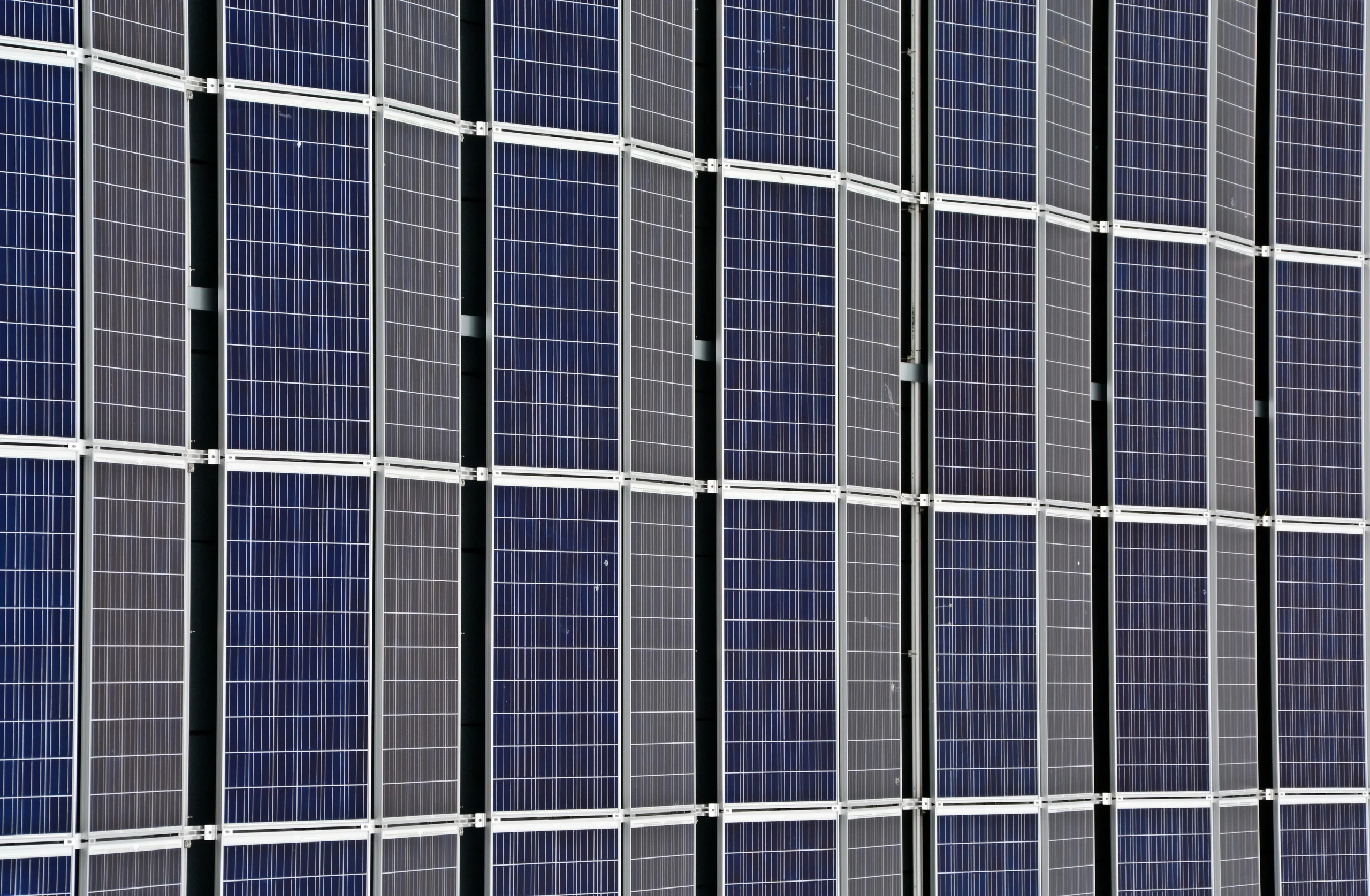
How to Optimize Thermal Management in Solar Container
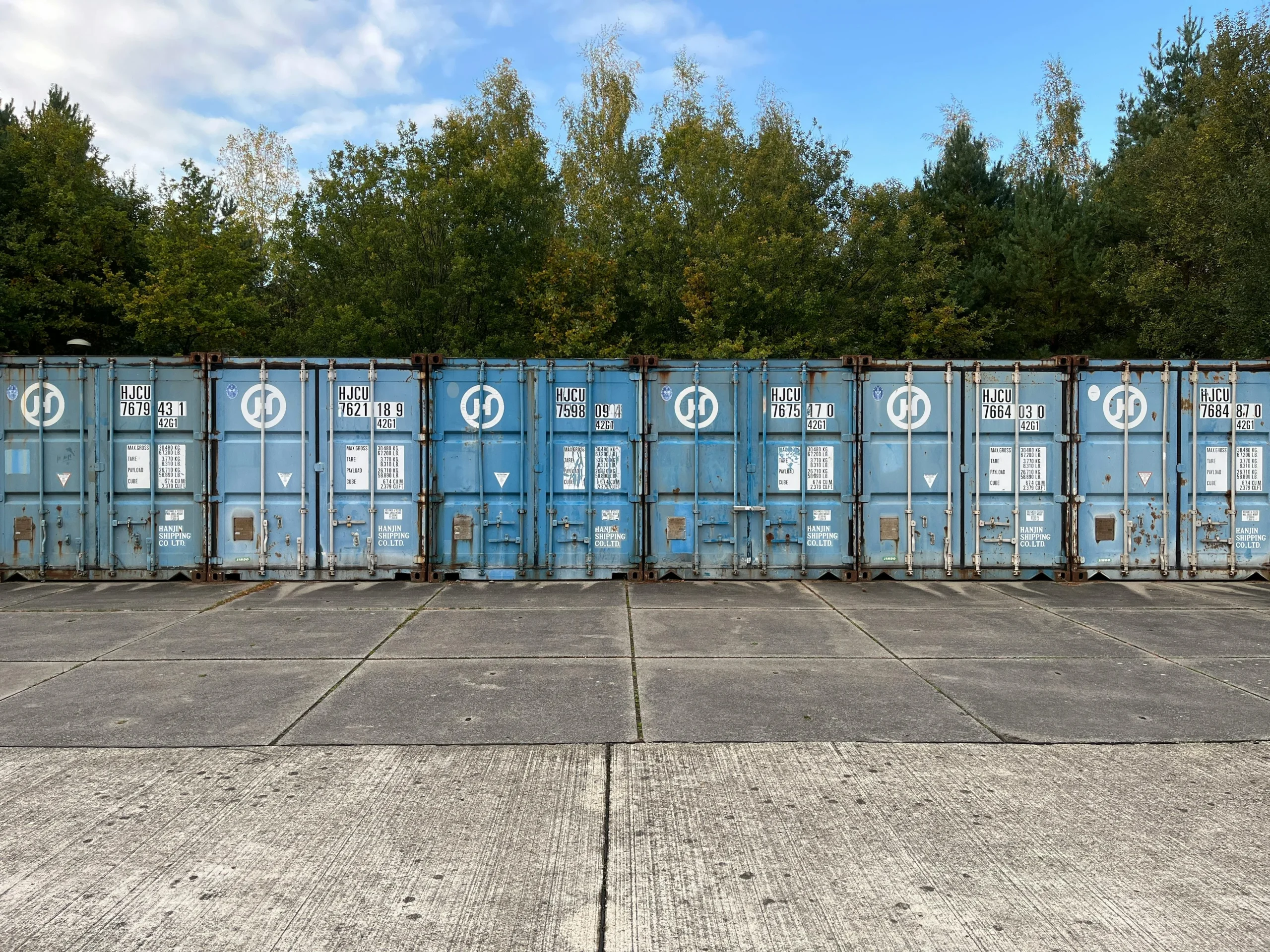
The Future of High-Density Storage: 5MWh+ in a Single 20ft Container
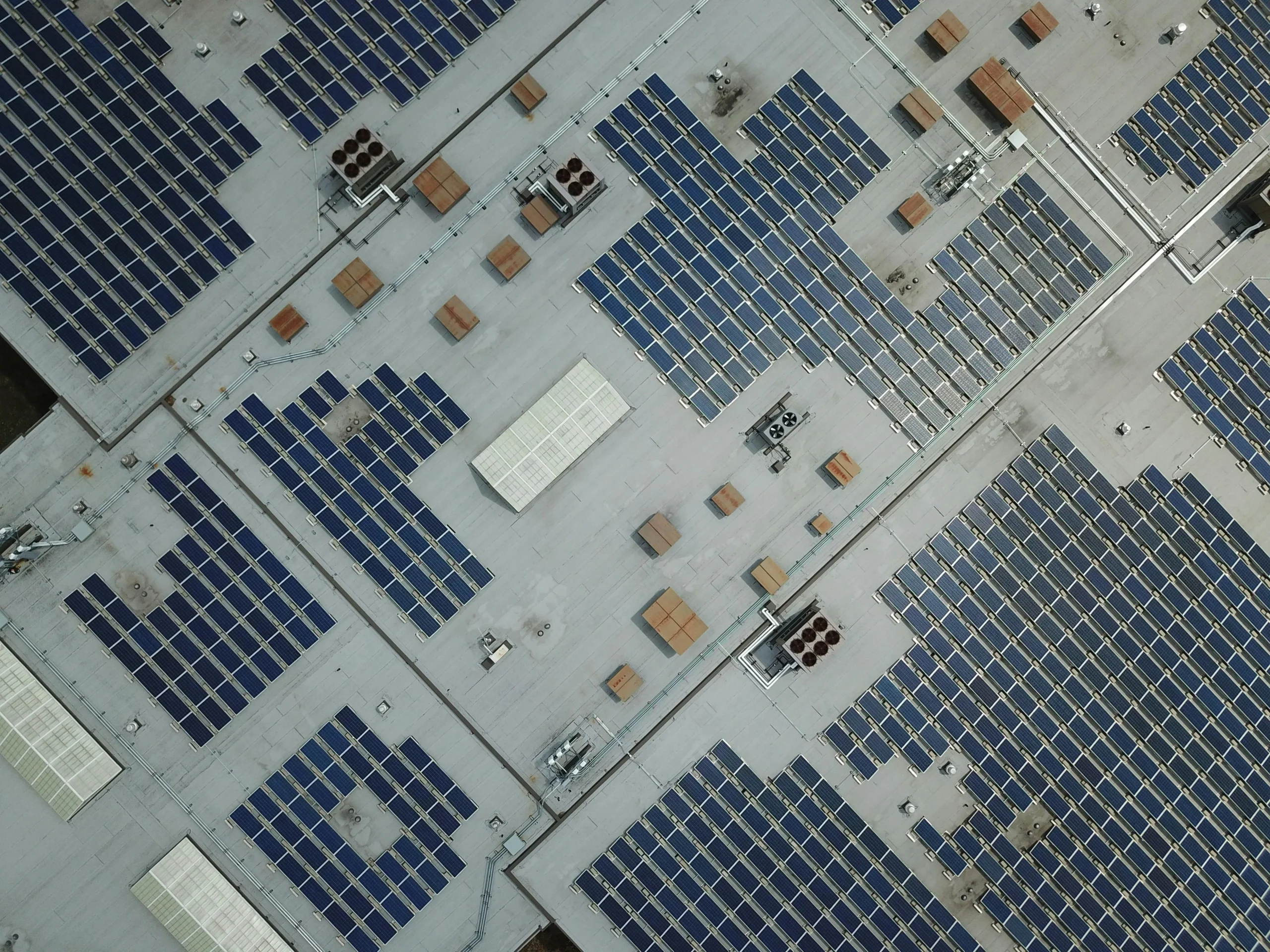
Second-Life EV Batteries in Solar Containers: Technical Challenges and Solutions
Corrosion Resistance 101: Why C5-M Coating is Essential for Offshore Solar Platforms
The Role of Smart Monitoring Systems in Extending Solar Container Lifespan