
2026-04-16
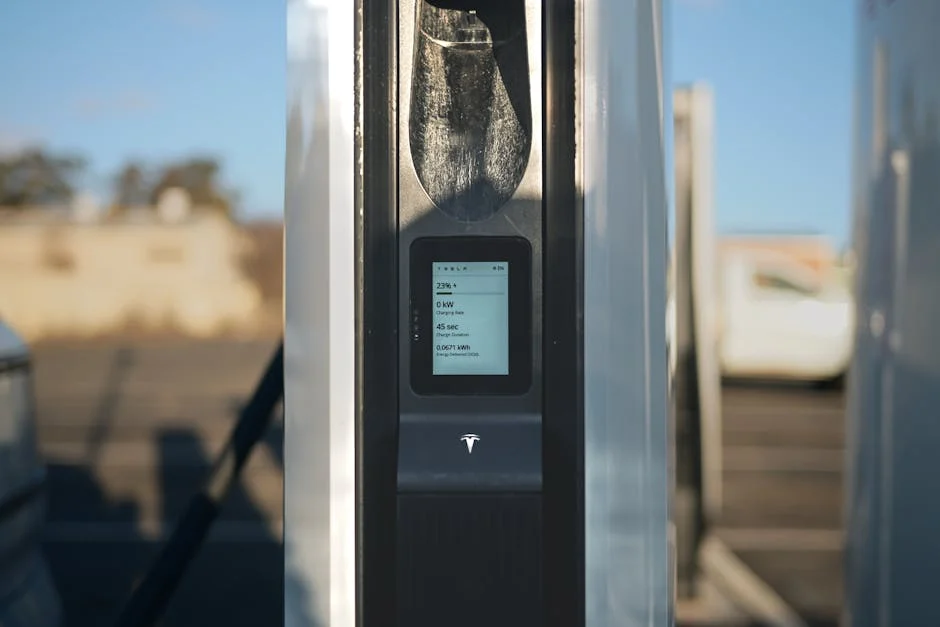
Lithium batteries have become an essential component in many modern devices, from smartphones and laptops to electric vehicles and renewable energy systems. Their high energy density, long lifespan, and relatively low self-discharge rate make them a popular choice for a wide range of applications. However, the lifespan of lithium batteries is a critical factor that affects their overall performance and efficiency. In this article, we will delve into the world of lithium batteries and explore how long they last.
Lithium batteries, also known as lithium-ion batteries, were first introduced in the 1990s. Since then, they have undergone significant improvements in terms of their energy density, cycle life, and safety features. The lifespan of a lithium battery is measured in terms of its cycle life, which refers to the number of charge and discharge cycles it can withstand before its capacity drops to 80% of its initial value. Factors such as depth of discharge, charge rate, and operating temperature can all impact the lifespan of a lithium battery.

The chemistry of a lithium battery plays a crucial role in determining its lifespan. Lithium-ion batteries consist of a positive electrode (cathode), a negative electrode (anode), and an electrolyte. The type of materials used for the cathode and anode can affect the battery's energy density, cycle life, and overall performance. For example, lithium iron phosphate (LFP) batteries are known for their high cycle life and thermal stability, while lithium nickel manganese cobalt oxide (NMC) batteries offer higher energy density and power output.
Several factors can impact the lifespan of a lithium battery, including depth of discharge, charge rate, and operating temperature. Deep discharging, which involves draining the battery to 0% capacity, can reduce its cycle life. Similarly, high charge rates and elevated temperatures can also accelerate the degradation of the battery. Proper charging and discharging practices, such as avoiding deep discharging and keeping the battery away from extreme temperatures, can help extend its lifespan.
To ensure the reliability and performance of lithium batteries, manufacturers conduct rigorous testing and validation procedures. These tests involve simulating real-world operating conditions, such as charge and discharge cycles, temperature fluctuations, and vibration. The results of these tests provide valuable insights into the battery's lifespan and help manufacturers optimize their designs and materials.
Lithium batteries are used in a wide range of applications, from consumer electronics and electric vehicles to renewable energy systems and industrial equipment. In electric vehicles, lithium batteries are used to power the propulsion system, while in renewable energy systems, they are used to store excess energy generated by solar panels or wind turbines. The lifespan of lithium batteries is critical in these applications, as it affects the overall performance and efficiency of the system.
In conclusion, the lifespan of lithium batteries is a complex issue that depends on various factors, including chemistry, depth of discharge, charge rate, and operating temperature. By understanding these factors and optimizing battery design and materials, manufacturers can produce lithium batteries with longer lifespans and improved performance. As the demand for lithium batteries continues to grow, it is essential to develop more efficient and sustainable battery technologies that can meet the needs of various applications.

How to Optimize Thermal Management in Solar Container

The Future of High-Density Storage: 5MWh+ in a Single 20ft Container

Second-Life EV Batteries in Solar Containers: Technical Challenges and Solutions

Corrosion Resistance 101: Why C5-M Coating is Essential for Offshore Solar Platforms

The Role of Smart Monitoring Systems in Extending Solar Container Lifespan