
2026-01-19
Maintenance of the hybrid power system is not only a technical requirement but is actually what separates the "system" that will continue for many years to provide stable energy and one that creates an ongoing source of downtime and cost. A hybrid installation, generally combining photovoltaic generation with batteries, generators, or grid support, has more moving parts than a single-source installation; the same complexity that ensures flexibility also makes disciplined maintenance practices essential. This guide focuses on the realistic, longterm means of maintaining a hybrid power system, balancing technical rigor with practical field experience.
The operation of a hybrid power system is based on interaction. Solar arrays, inverters, batteries, controllers, and backup sources are continuously exchanging data and power in a hybrid power system. When a problem develops with one of the elements, the first indication usually appears elsewhere. A battery problem may manifest as inverter instability. Inadequate solar performance can result in too much operating time for the generator.
The U.S. Department of Energy’s National Renewable Energy Laboratory’s publication Wind and Solar Hybrid Power Plants for Energy Resilience demonstrates that hybrid systems achieve resilience precisely because of coordinated operation across components, which also means maintenance must be approached at the system level rather than as isolated tasks.
System owners too often fall back on reactive repairs. An item breaks; a repairman shows up; components get swapped out. This sort of procedure does not serve hybrid power systems well. To begin with, good maintenance requires the recognition that all systems degrade in a predictable manner over time.
Rather than asking what broke, one should ask what is changing. Voltage Drift, temperature, and charging patterns all point toward issues before a breakage occurs. Maintenance planning should therefore combine routine inspections with data-driven observation.
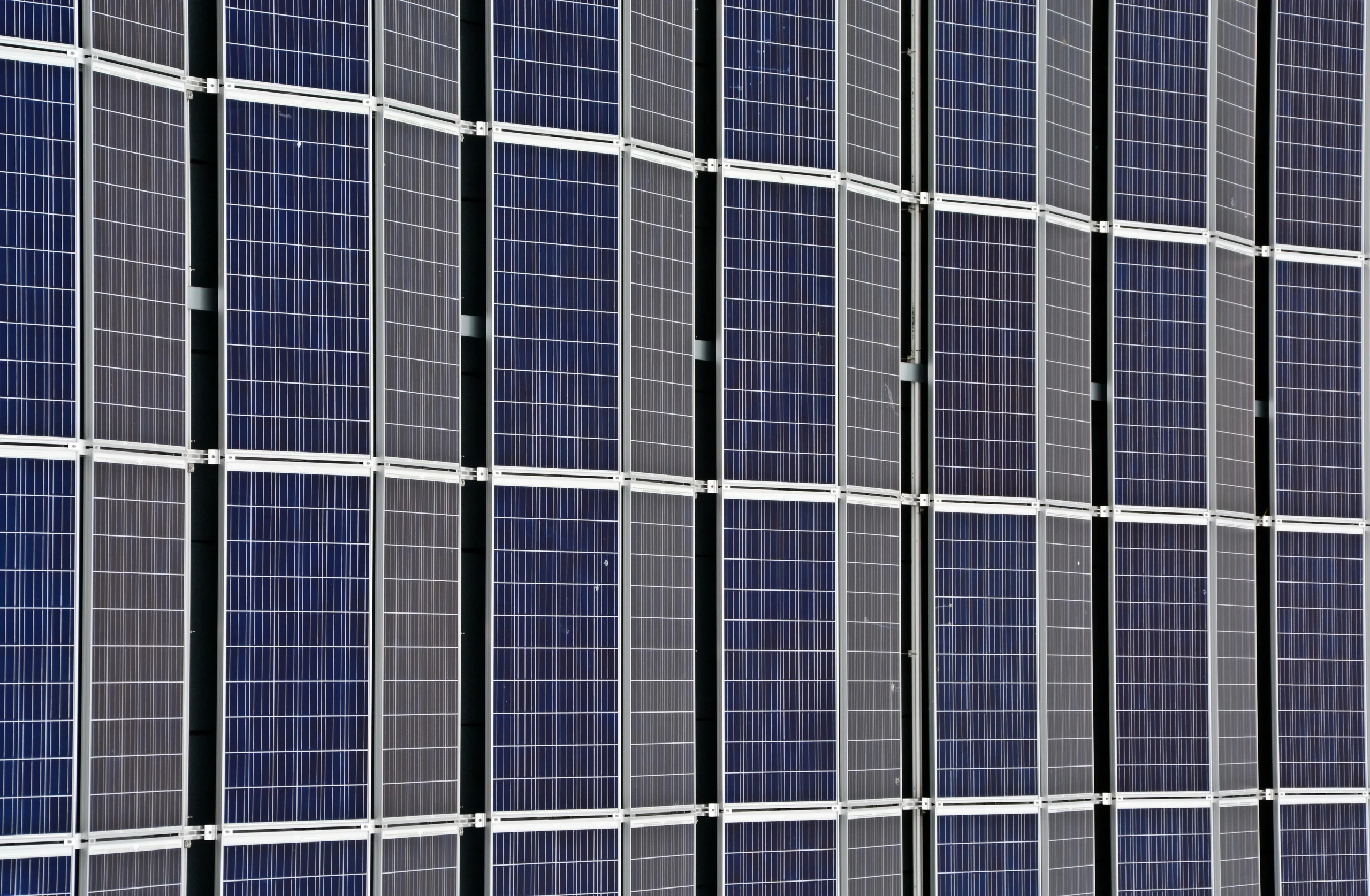
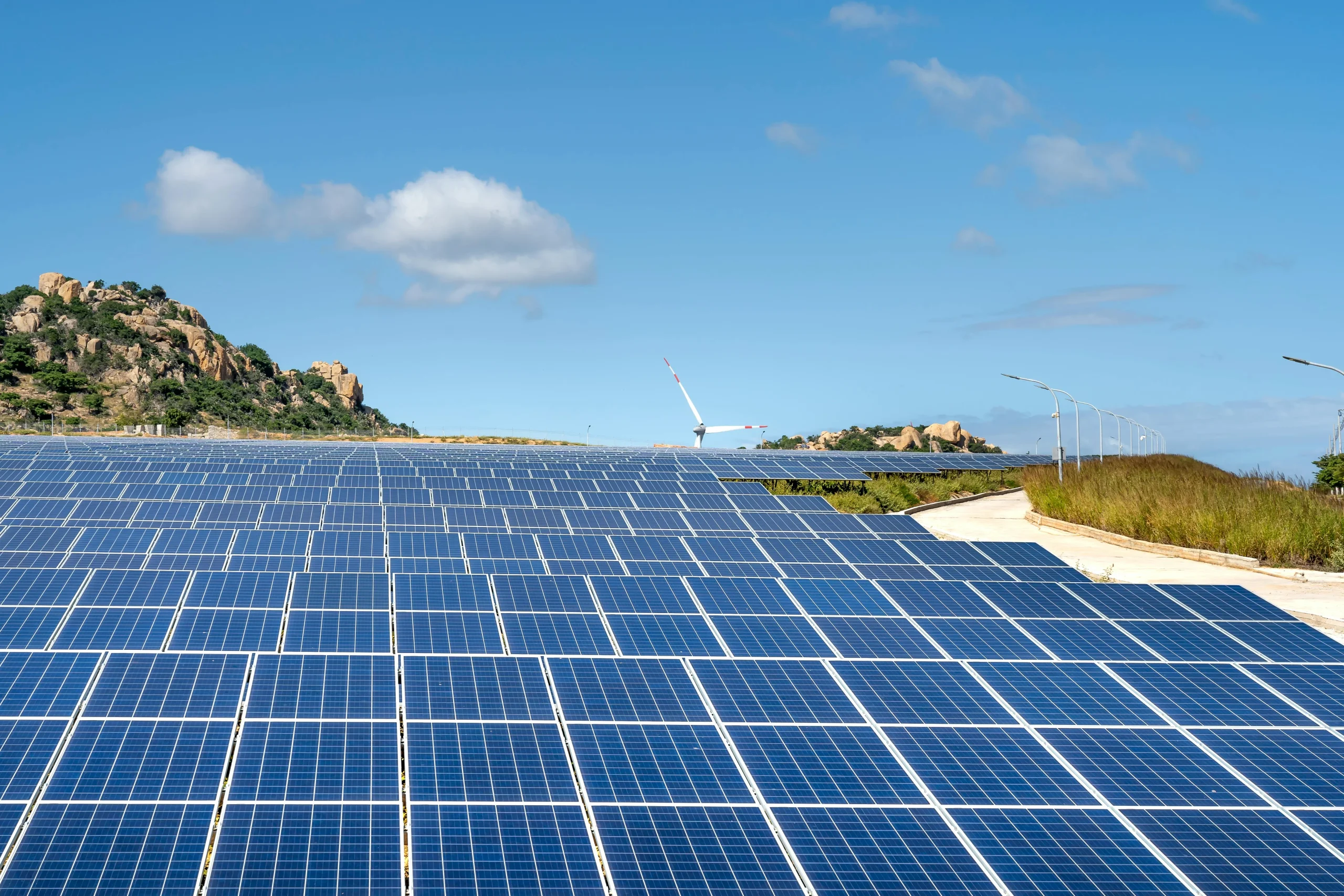
Solar panels are expected to be maintenance-free, with solar panels being low maintenance, not no maintenance.
The visual inspection needs to consider more than just dust. Micro-cracks, delamination, corrosion of the frame, and shading by newly installed obstructions are all factors that influence performance. Dust removal needs to be informed by environmental conditions. A dusty agricultural site would call for cleaning once a month, and a seaside installation would have issues with salt residue and corrosion.
Monitoring one’s performance is equally essential as physical verification. It will, by comparison, reveal problems at the string level, which cannot otherwise be seen.
Inverters, charge controllers, and other components run continuously under temperature and electrical stress. When they fail, one might find that the event occurred suddenly, but there are warning signals in the logs.
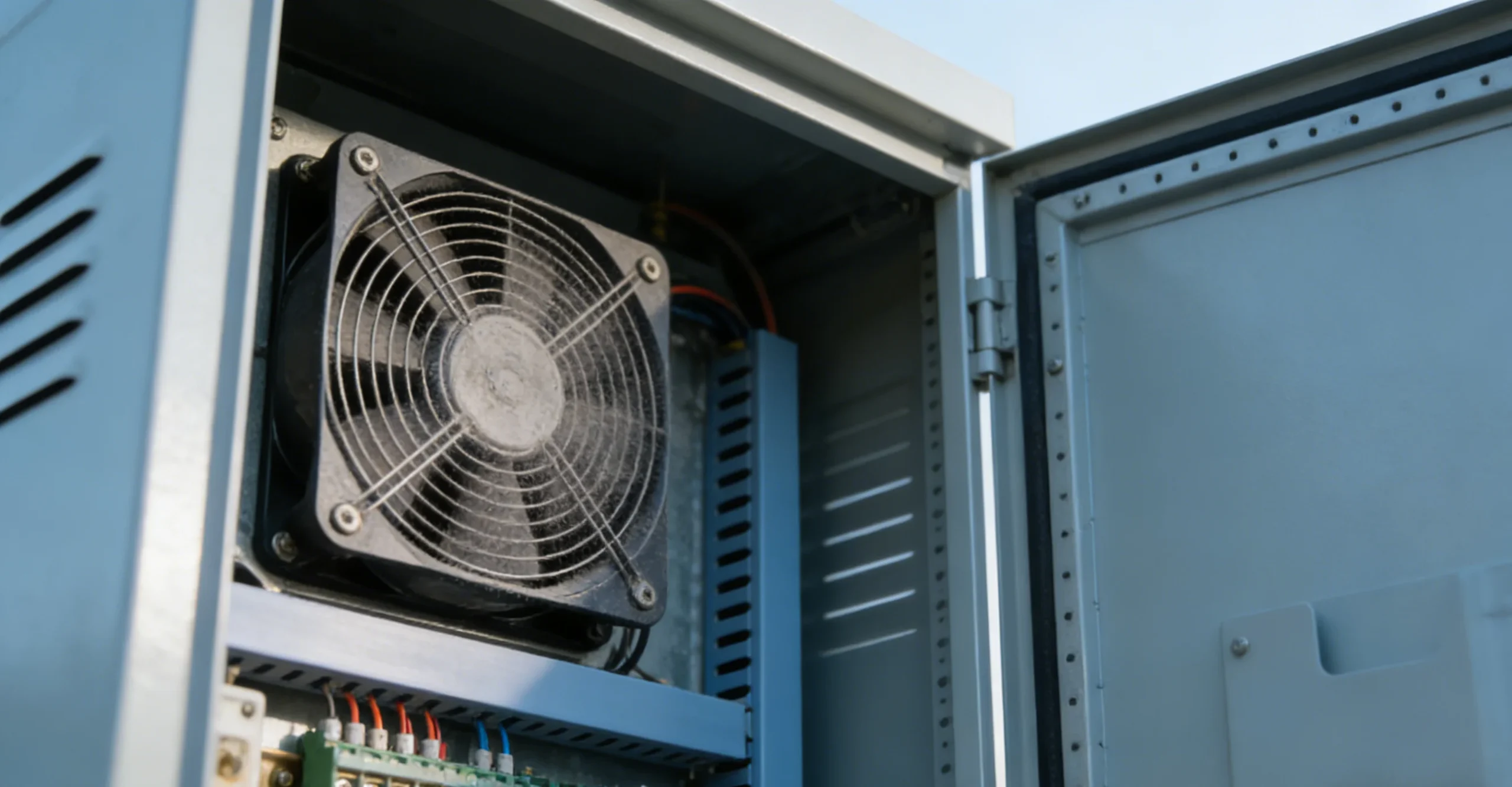
The key tasks in the process of maintaining these systems include the update of the firmware, ventilation checks, and thermal imaging if possible. The accumulation of dust within the enclosure is a factor that is often under-appreciated. Even a slight change in airflow could degrade the lifespan of the components.
Since they are the ones that coordinate the flow of energy in the system, instabilities in inverters tend to cascade across the entire hybrid power system. A small problem can easily be magnified if it is left unattended in the system.
Batteries will, in general, be the costliest and most delicate part of any hybrid power plant. The functioning of lithium or lead acid batteries will heavily depend upon temperature, charge patterns, and usage.
Maintenance tasks involve monitoring state of charge consistency, temperature differentials, and ensuring protection settings. How equalization is done, for instance, depends on the type of batteries being used. Using the wrong methods can accelerate the process instead.
Capacity tests conducted at regular intervals will help test reality against planning. The actual capacities of nameplate capacity and usable capacities diverge over time; this is what maintenance plans should factor in rather than original conditions being still applicable.
The survival of hybrid power systems lies in their control logic. The energy management system determines when to supply energy to the storage system, when to supply energy from it, and when to switch to auxiliary power sources.
In this kind of system, maintenance is less hands-on and involves analysis. It is necessary to have backups of configurations, validate alarms, and examine logic regularly. Also, modifications in loading or priorities may necessitate modifications in control logic, yet these modifications rarely occur.
Monitoring dashboards need not be treated as ornaments. They are actually diagnostic tools. Analyzing trends rather than just notifications can turn monitoring into maintenance.
Traditional maintenance relies on fixed schedules. Hybrid power systems increasingly benefit from predictive approaches that adapt to actual operating conditions.
The study titled Artificial Intelligence Based Prognostic Maintenance of Renewable Energy Systems: A Review of Techniques, Challenges, and Future Research Directions, published on arXiv, shows that data-driven maintenance models can identify early degradation patterns across renewable and hybrid systems, reducing unplanned outages and extending component life.
Even in the absence of sophisticated AI capabilities, simple predictive analysis is helpful. Monitoring data such as temperature increase, charge efficiency, or inverter error rates enables maintainability to be scheduled based on requirements rather than routines.
One of the pitfalls might include keeping system components in separate environments. A battery replacement could affect charge dynamics. Extending the solar array could result in the inverters being driven harder. Hybrid power requires synchronized maintenance.
Maintenance data can and should all be in one place. When things change, the surrounding system context becomes important. The value of having a record that correlates component maintenance with system performance becomes clear as an analytic tool.
Maintenance quality also relies on people as much as on equipment. This is achieved through effective processes, lockout devices, and up-to-date documentation.
Courses must change along with the system. With changes in software update, hardware upgrade, or system operational priority, personnel involved in maintenance must be updated. Conclusions formed on previous system configurations often cause errors.
No hybrid power system remains unchanged. There are various factors like growth in load, aging of system elements, and environmental variations that cause a change in the maintenance.
Regular strategy evaluations will answer tough, yet necessary, questions. Are maintenance costs escalating at a rate that is expected? Is down time increasing, despite regular maintenance? Sometimes, the right answer for maintenance is design, not fix.
Maintenance of a hybrid power system is all about maintaining equilibrium. As conditions change, so too must solar generation, storage, and control systems stay in step. In treating maintenance as one continuous, system-wide process rather than a series of discrete tasks, both performance and investment are safeguarded.
Disciplined inspection, thoughtful monitoring, and data-informed decisionmaking combined to maintain a hybrid power system that is reliable years beyond the design horizon. The bottom-line practical lesson learned is simple in retrospect: watch the trend, act early, and maintain the system, not just its parts.
How to Optimize Thermal Management in Solar Container
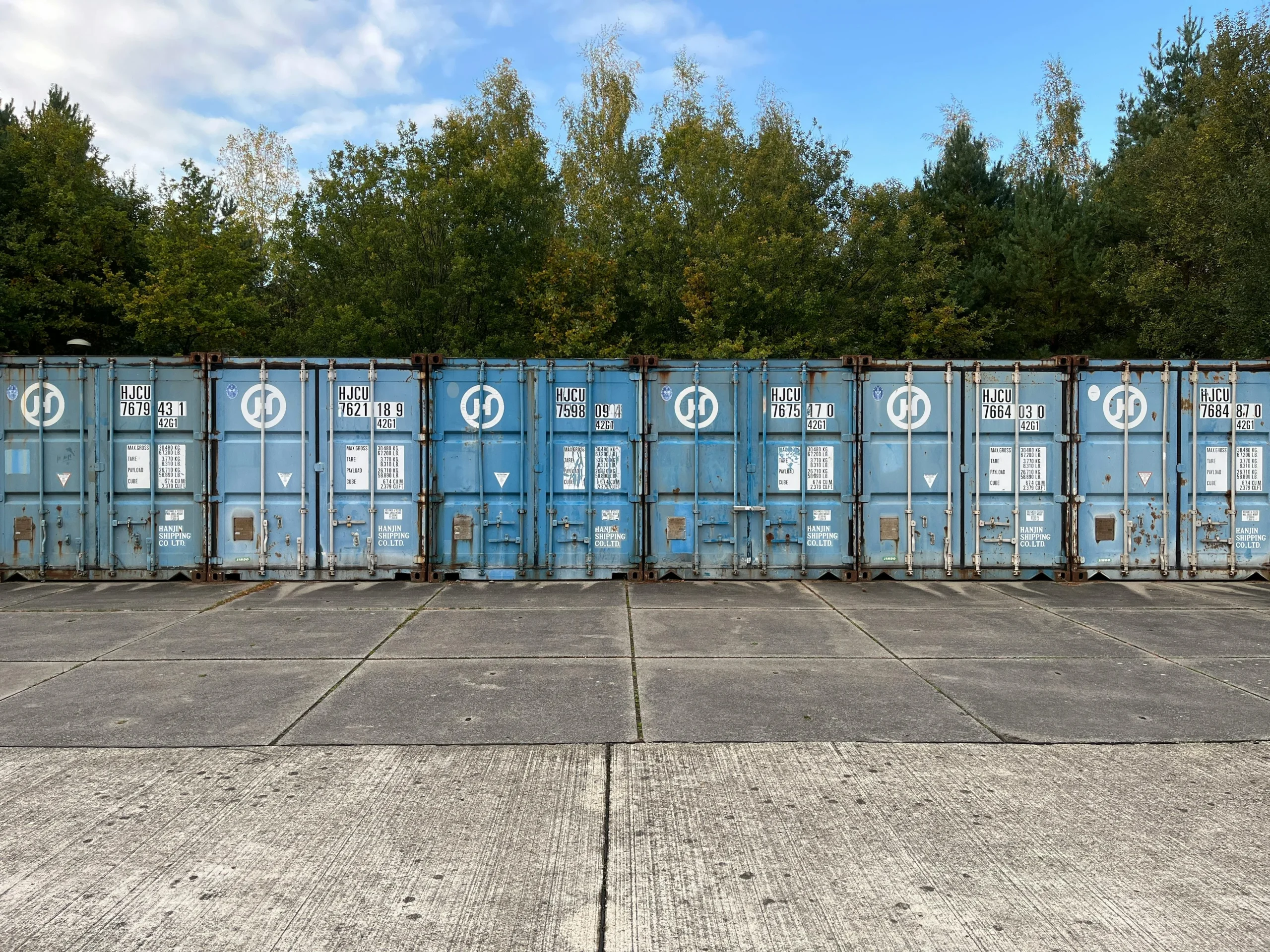
The Future of High-Density Storage: 5MWh+ in a Single 20ft Container
Second-Life EV Batteries in Solar Containers: Technical Challenges and Solutions
Corrosion Resistance 101: Why C5-M Coating is Essential for Offshore Solar Platforms
The Role of Smart Monitoring Systems in Extending Solar Container Lifespan