
2026-03-31
Container homes, made from used shipping containers, are also gaining popularity as an environmentally friendly and cost-effective living space. The longevity of the home, as well as the lifespan of the container, is an important factor for those who plan to occupy the space. While traditional houses can last for many decades, the materials used to build the container home pose an important concern about the longevity of the living space.
The lifespan of the container home is determined by various factors, including the quality of the shipping container, the environment, the modification of the container, as well as the maintenance process. The shipping containers used to build the home are made from corten steel, which is used due to its strength to withstand harsh sea conditions. The corten steel used is more resistant to corrosion than regular steel, thus giving the shipping container an extra advantage in terms of longevity.
During the conversion process, the modification of the container, such as cutting the container to allow for the creation of windows, doors, and the installation of the insulations, can compromise the integrity of the structure. It is important to note that the structure is reinforced to ensure it is not compromised during the conversion process. Failure to do this can compromise the structure, causing it to deform, leak, and even compromise its load-bearing capacity.
Environmental factors play a significant role in the longevity of the container home. For instance, the longevity of the container home can be compromised if it is located in humid environments. Container homes located in arid environments can last longer. Furthermore, the expansion and contraction caused by extreme temperatures can compromise the integrity of the structure.
The Energy and Buildings “Life cycle assessment of shipping container home: A sustainable construction” study shows that a properly designed and maintained container home can have a lifespan comparable to traditional housing, often ranging from 50 to 80 years. This assumes regular maintenance, such as repainting protective coatings, monitoring structural joints, and replacing worn insulation. Neglecting these aspects can reduce longevity, while advanced engineering techniques can further extend it.
Hence, routine maintenance is an important aspect. Checking for rust, making necessary repairs to damaged areas, and ensuring that the roof and drainage systems are working properly will help prevent more serious issues. Furthermore, using quality insulation, moisture-resistant materials, and weatherproof paints will not only improve durability but also increase efficiency.
The design of the containers also has an impact on their lifespan. For example, raising the containers above ground level, incorporating ventilation systems, and ensuring that they are not in direct contact with soil or water will reduce the risk of corrosion. The interior design will also help prevent wear and tear on the structure. By incorporating these factors, not only will we be able to increase the lifespan of the containers, but we will also be able to contribute to sustainability, thereby reducing the need to replace them frequently.
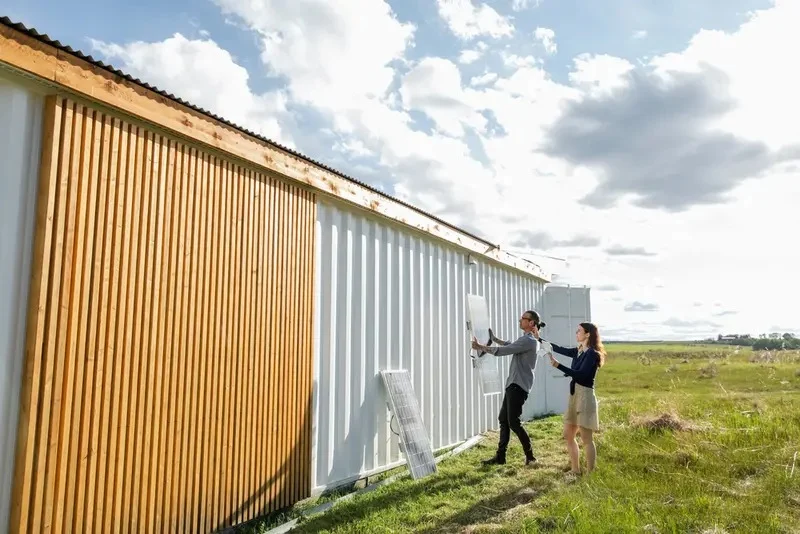
Although it is true that container homes are not the same as the usual brick-and-mortar houses, the steel frame provides its own advantages. Wood rot, termite infestations, and settling foundations can plague traditional houses, while the container home is impervious to these issues. Lifecycle assessment models show that with proper maintenance, the lifespan of the container home can rival the lifespan of the traditional house.
Although the costs of building a container home can be less than building a traditional house, it is important to consider the costs over the long term. While it is true that the maintenance costs can add up, the overall benefits to the environment and the longevity of the structure can make it well worth the cost.
Container homes are also environmentally friendly. The process of constructing a container home is environmentally friendly due to the reuse of containers. The construction process does not produce any construction waste. The analysis of the container home lifecycle indicates that the homes are environmentally sustainable if strategies for increasing the lifespan are incorporated during the design phase. Increasing the lifespan not only maximizes the benefits of the container homes but also maximizes the economic value of the homes.
For individuals considering container homes, practical strategies can help ensure longevity:
These measures significantly contribute to the home’s durability and comfort over decades.
It has been observed that container homes can prove to be a sustainable option for housing. The aforementioned research has indicated that container homes can last for up to 50-80 years if they are subjected to protective coating, structural reinforcement, and periodic maintenance. Thus, for homeowners and investors, it is essential to understand these aspects of container homes. Maintenance, sustainability, and design are some of the key factors that need to be considered for container homes in order to ensure that they last for a considerable amount of time.

How to Optimize Thermal Management in Solar Container
The Future of High-Density Storage: 5MWh+ in a Single 20ft Container
Second-Life EV Batteries in Solar Containers: Technical Challenges and Solutions

Corrosion Resistance 101: Why C5-M Coating is Essential for Offshore Solar Platforms
The Role of Smart Monitoring Systems in Extending Solar Container Lifespan