
2026-03-05
Hybrid power systems integrate multiple sources of energy generation into a single system. This can include solar, batteries, and sometimes diesel or grid power. While this provides a robust and efficient solution, it can also create a complex operational model. Without a maintenance model, a hybrid power solution can experience premature degradation of equipment or operational downtime.
Hybrid power solution performance is not achieved by a single annual maintenance inspection. It requires a disciplined monitoring and maintenance regimen, as well as an understanding of how each component, such as the energy storage solution, performs over time.
Hybrid power systems are dynamic systems that can distribute energy sources and storage on an ongoing basis. This provides a robust solution, but it can also create a situation where inefficiencies can add up. This can include a situation where a hybrid solution's batteries experience premature degradation because of an inefficient state of charge management. It can also include a situation where an inefficient ventilation strategy for inverters can cause premature component degradation because of high internal temperatures.
The publication titled Best Practices for Operation and Maintenance of Photovoltaic and Energy Storage Systems; 3rd Edition, published by the National Renewable Energy Laboratory, demonstrates that structured preventive maintenance significantly reduces system downtime and extends operational life by addressing early-stage performance degradation before it escalates into major failure.
In practical terms, preventive maintenance is not about responding to faults. It is about reducing the likelihood of faults occurring in the first place.
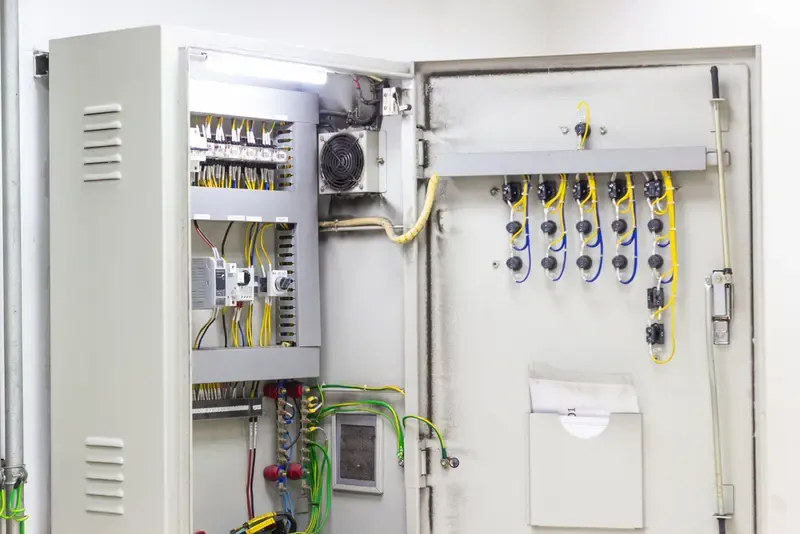
For hybrid power systems, it is advantageous that the maintenance cycles are not all contained within one annual event.
These are quick checks but are essential:
Small problems identified early on can often prevent costly system shutdowns.
At this level, the focus is on the data:
Hybrid systems require proper coordination of the systems involved. If the performance curves of the systems begin to show signs of drift, the systems may require recalibration.
This should comprise:
Skipping this stage may lead to the development of hidden resistance buildup in the storage systems.
The energy storage system is the most sensitive and costly part of the hybrid power solution. Batteries can be damaged by three factors: over-cycling, excessive temperatures, and incorrect charge management.
Battery life can be significantly reduced if the average working temperature is a few degrees higher than the recommended working temperature. The enclosure should have proper airflow, and the cooling systems should be as rigorously maintained as the batteries.
Batteries can be significantly damaged by over-discharge. Hybrid controllers should be set to observe the minimum state of charge levels. It has been seen that in some remote areas, the hybrid controllers' protection systems have been bypassed to meet peak demand, which can damage the batteries in the long run.
Cells in a storage bank, which are not balanced, lead to uneven stress distribution. Regular diagnostics will help to identify poorly performing cells, and replacing one cell before it affects its neighboring cells will prove to be far more cost-effective than replacing an entire battery string later on.
Inverters are the central coordination unit of a hybrid power system. Failure in this area will affect the overall solution.
Routine activities should include:
Presence of dust alone can increase internal temperatures to a level that affects the lifespan of electronic components. In humid climates, corrosion should also be considered.
Hybrid power solutions may also employ diesel or gas-powered generators in case of redundancy. The usual maintenance activities for such equipment are:
However, hybrid power solutions require additional maintenance activities beyond basic generator maintenance. The generator should be synchronized with other inverters and battery charging patterns.
Hybrid power solutions may employ remote monitoring technology to monitor and troubleshoot issues in the system. However, it should be noted that monitoring technology should be used for predictive analysis rather than basic monitoring.
Key metrics to be monitored:
It has been observed that gradual changes in any of these metrics may indicate issues in the system. For instance, if the overall efficiency drops by 3 to 5 percent over time, it may indicate underlying issues in the components.
While analyzing data logs for issues in the system, it should be noted that underlying trends may indicate underlying issues in the system rather than apparent faults in the system logs.
The records also provide a basis for a system's performance. Eventually, an operator can use this to compare how a system's performance is degrading.
The documentation should include:
The documentation is essential in a commercial or industrial setting where system availability can affect revenue.
Despite a good design in a hybrid power system, instability can result from operator error. Procedures should include:
Uncontrolled changes in parameters can cause instability in a power system.
The operator should understand not only how a hybrid power solution works but also why a particular safeguard is in place. Shortcuts can affect a power system's longevity.
These oversights are common and occur gradually. The equipment may appear to be operating well until it suddenly deteriorates.
Maintaining a hybrid power solution for longevity is not a single activity. It is a process that requires a disciplined framework involving preventive inspections, energy storage system protection, data analysis, and operational control.
If you want to achieve measurable lifespan extension:
Hybrid power gives you resiliency and efficiency—but only if you treat maintenance like a process to optimize system performance. Your hybrid power system will thank you with reliable output, long component lifespan, and predictable costs over time.
How to Optimize Thermal Management in Solar Container
The Future of High-Density Storage: 5MWh+ in a Single 20ft Container
Second-Life EV Batteries in Solar Containers: Technical Challenges and Solutions
Corrosion Resistance 101: Why C5-M Coating is Essential for Offshore Solar Platforms
The Role of Smart Monitoring Systems in Extending Solar Container Lifespan