
2026-04-05
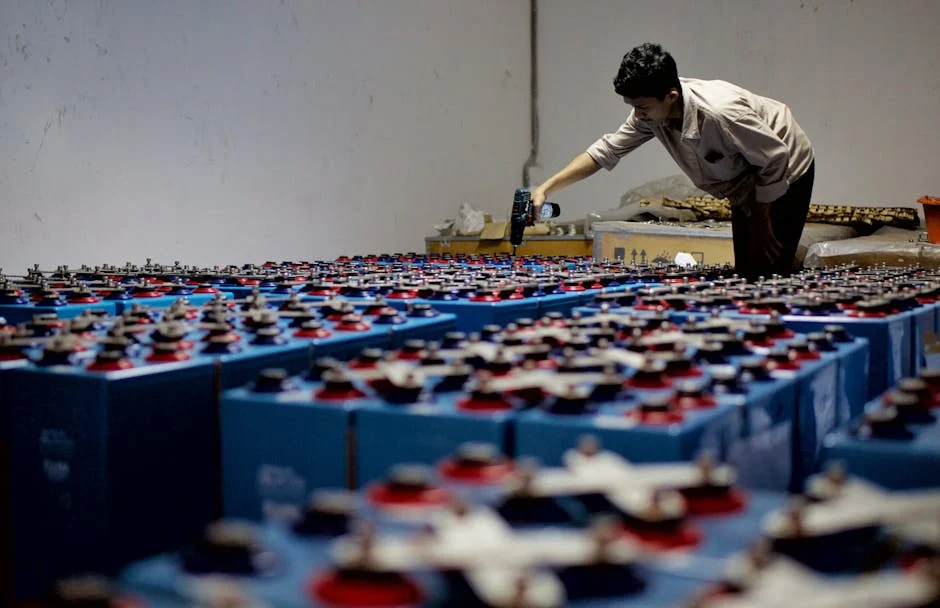
The world is shifting towards renewable energy sources, and solar power is at the forefront of this movement. One innovative solution that has gained popularity in recent years is the solar container system. But what exactly is the cost of such a system? In this article, we will delve into the details of solar container systems, their benefits, and the associated costs.
A solar container system is a compact, portable, and self-contained unit that generates electricity from sunlight. These systems are typically housed in a shipping container and come equipped with all the necessary components, including solar panels, batteries, and inverters. They are ideal for remote areas, disaster relief situations, or temporary events where traditional energy infrastructure is not available.
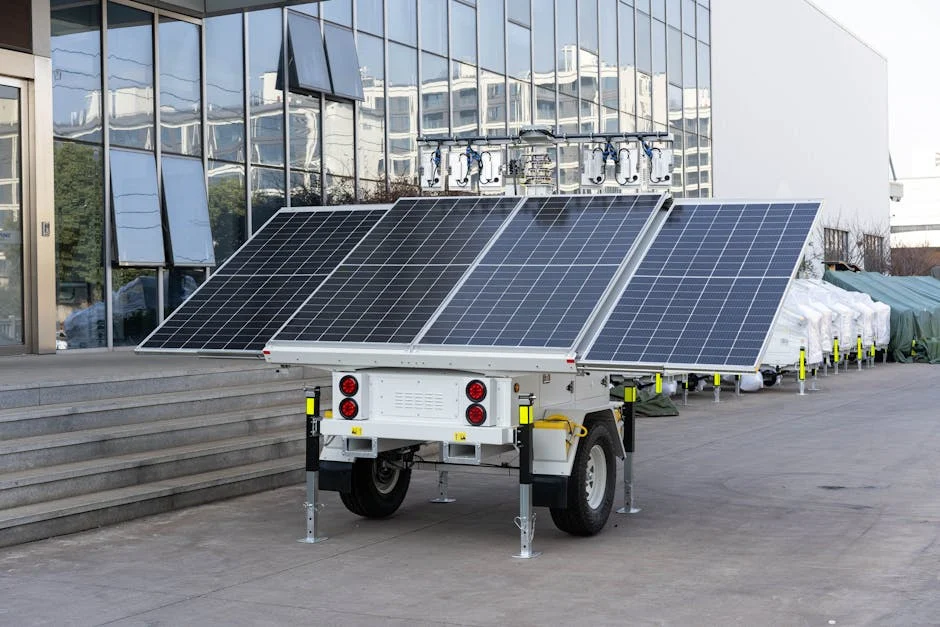
The cost of a solar container system can vary widely depending on the size, quality, and brand of the components used. The main components include solar panels, batteries, inverters, and mounting hardware. High-quality solar panels can range from $200 to $500 per panel, while deep cycle batteries can cost between $500 to $2,000 each. Inverters and mounting hardware can add an additional $1,000 to $3,000 to the total cost.
Installation costs can also vary depending on the location, terrain, and complexity of the setup. On average, installation costs can range from $2,000 to $5,000. Maintenance costs are relatively low, as solar container systems are designed to be durable and require minimal upkeep. However, regular cleaning of the solar panels and replacement of batteries can add to the overall cost.
While the initial cost of a solar container system may seem high, there are several economic benefits and incentives to consider. Solar energy can significantly reduce electricity costs, especially in areas with high energy prices. Additionally, many governments offer tax credits, grants, and rebates for renewable energy projects, which can help offset the initial investment.
Solar container systems have a wide range of applications, from remote villages and disaster relief situations to temporary events and construction sites. They are also ideal for areas with limited or no access to traditional energy infrastructure. With their compact size and portability, solar container systems can be easily transported and set up in a matter of hours.
In conclusion, the cost of a solar container system can vary widely depending on the size, quality, and brand of the components used. While the initial investment may seem high, the economic benefits and incentives can make solar energy a viable and cost-effective solution for many applications. As the world continues to shift towards renewable energy sources, solar container systems are likely to play an increasingly important role in the transition to a more sustainable future.
How to Optimize Thermal Management in Solar Container
The Future of High-Density Storage: 5MWh+ in a Single 20ft Container
Second-Life EV Batteries in Solar Containers: Technical Challenges and Solutions
Corrosion Resistance 101: Why C5-M Coating is Essential for Offshore Solar Platforms
The Role of Smart Monitoring Systems in Extending Solar Container Lifespan