
2026-04-25
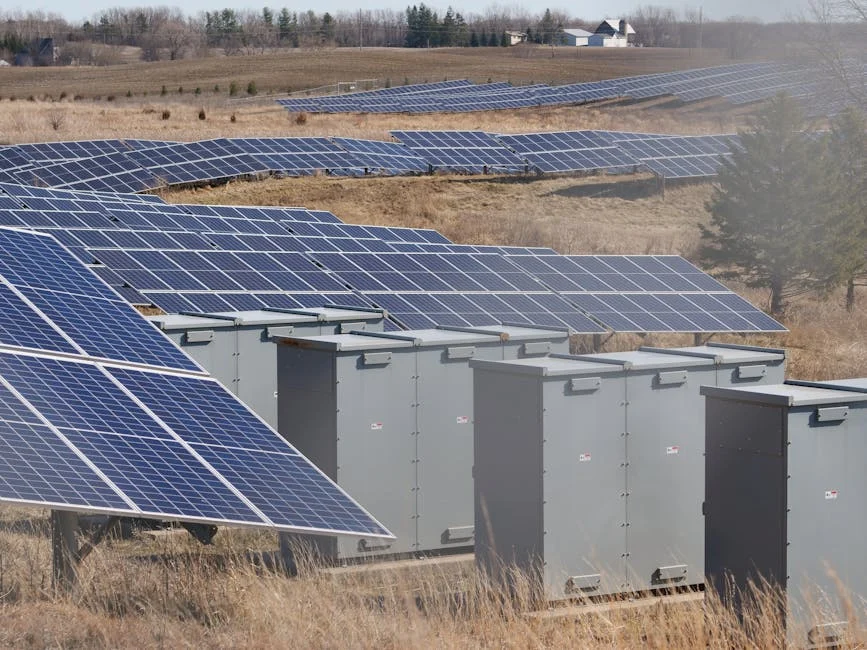
The solar industry has experienced significant growth in recent years, driven by declining equipment costs and increasing demand for renewable energy. As the industry continues to evolve, innovators are exploring new ways to reduce costs and improve efficiency. One such innovation is the use of modular solar containers, which offer a promising alternative to traditional stick-built methods. In this article, we will delve into the world of modular vs. stick-built solar installations, exploring the benefits and applications of solar containers.
Traditional stick-built solar installations involve constructing the solar array on-site, using individual components such as panels, mounting systems, and electrical equipment. This approach can be time-consuming and labor-intensive, requiring significant on-site labor and equipment. In contrast, modular solar containers are pre-fabricated units that contain all the necessary components for a solar array, including panels, inverters, and mounting systems. These containers are designed to be easily transported and installed on-site, reducing the need for labor and equipment.
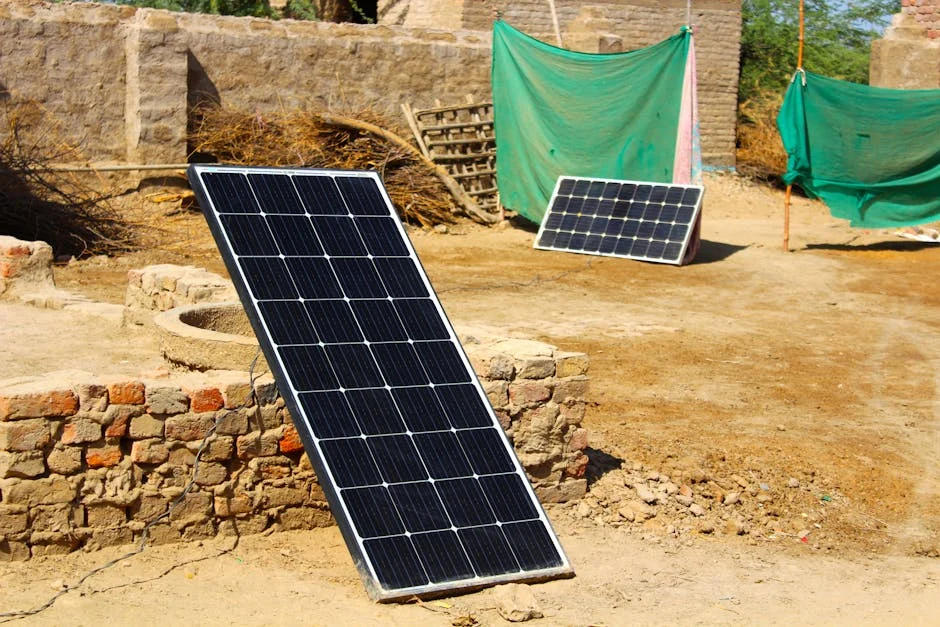
One of the primary benefits of modular solar containers is the significant reduction in on-site installation costs. By pre-fabricating the solar array in a controlled environment, manufacturers can reduce the amount of labor and equipment required for on-site installation. This can result in cost savings of up to 40% compared to traditional stick-built methods. Additionally, modular solar containers can be designed to be highly efficient, with optimized system layouts and reduced material waste.
Modular solar containers can also improve system efficiency by reducing the amount of energy lost during transmission. By integrating the solar array, inverter, and mounting system into a single unit, manufacturers can minimize energy losses and optimize system performance. This can result in higher energy yields and increased system reliability.
Modular solar containers offer enhanced scalability and flexibility compared to traditional stick-built methods. By using pre-fabricated units, developers can easily scale up or down to meet changing energy demands. Additionally, modular solar containers can be designed to be highly flexible, with interchangeable components and easy system upgrades.
Modular solar containers have a wide range of applications, from residential and commercial solar installations to large-scale utility projects. They are particularly well-suited for remote or off-grid locations, where traditional stick-built methods may be impractical or cost-prohibitive. Additionally, modular solar containers can be used for temporary or emergency power applications, such as disaster relief or construction sites.
In conclusion, modular solar containers offer a promising alternative to traditional stick-built methods, with significant reductions in on-site installation costs and improved system efficiency. As the solar industry continues to evolve, it is likely that modular solar containers will play an increasingly important role in the development of renewable energy projects. By embracing this innovative technology, developers and investors can reduce costs, improve efficiency, and accelerate the transition to a more sustainable energy future.
How to Optimize Thermal Management in Solar Container
The Future of High-Density Storage: 5MWh+ in a Single 20ft Container
Second-Life EV Batteries in Solar Containers: Technical Challenges and Solutions
Corrosion Resistance 101: Why C5-M Coating is Essential for Offshore Solar Platforms

The Role of Smart Monitoring Systems in Extending Solar Container Lifespan