
2026-04-26
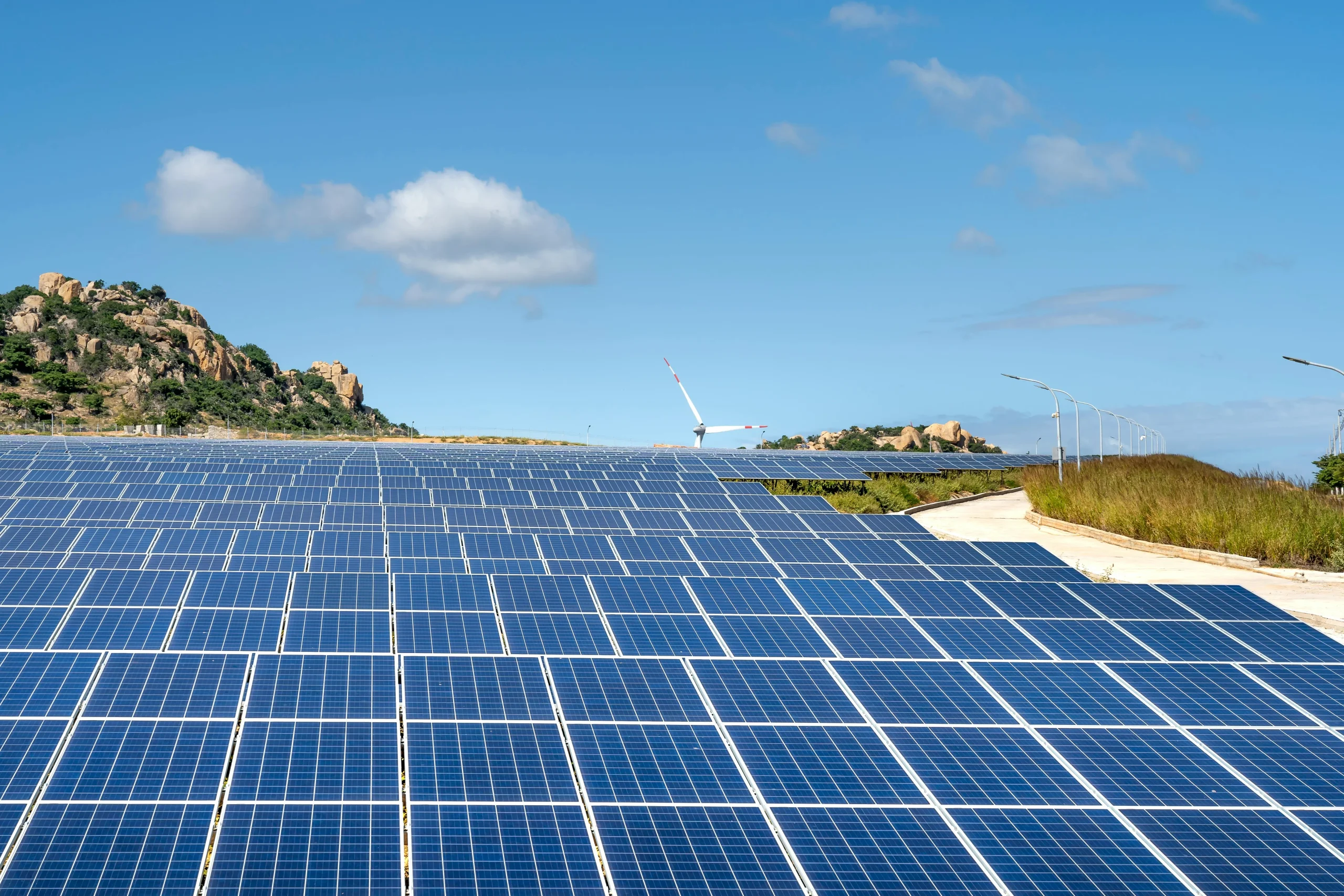
The increasing demand for renewable energy has led to a surge in the use of solar storage containers. These containers are designed to store excess energy generated by solar panels, allowing for a stable and reliable power supply. However, the efficiency and lifespan of these containers can be affected by the cooling system used. In this article, we will explore the differences between liquid cooling and air cooling, and determine which is better for your 20ft solar storage container.
Solar storage containers are typically equipped with batteries, inverters, and other electrical components that generate heat during operation. If this heat is not properly managed, it can lead to a decrease in system performance, reduced lifespan, and even safety hazards. Cooling systems are designed to mitigate these effects by removing heat from the container and maintaining a stable operating temperature.

Liquid cooling systems use a liquid coolant to absorb heat from the electrical components and transfer it to a heat exchanger, where it is dissipated. This method is highly effective, as liquids have a high specific heat capacity, allowing them to absorb and transfer large amounts of heat. Additionally, liquid cooling systems can be designed to be highly efficient, with some systems achieving cooling efficiencies of up to 90%.
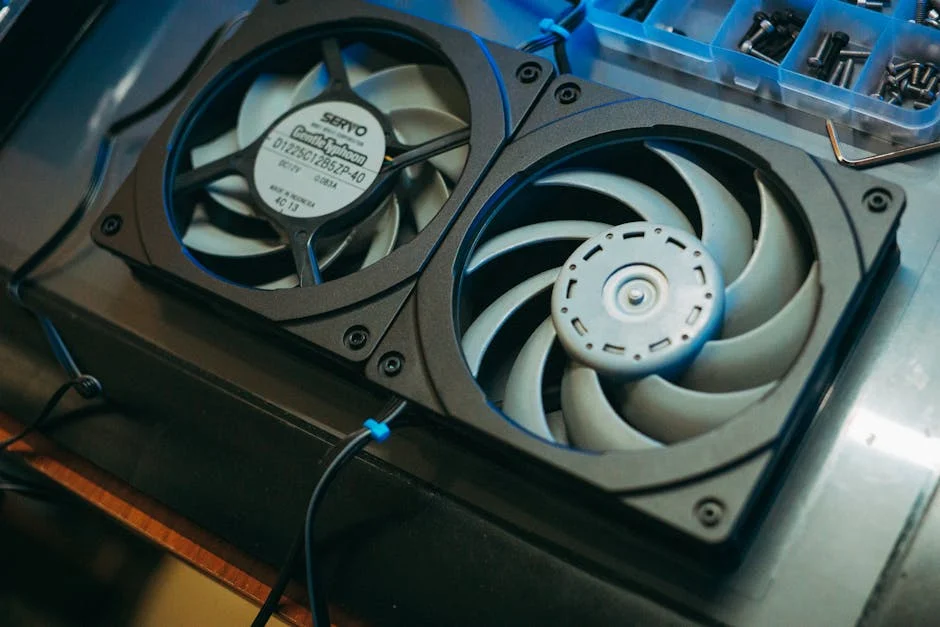
Air cooling systems, on the other hand, use fans to circulate air through the container and remove heat from the electrical components. This method is simpler and less expensive than liquid cooling, but it can be less effective, especially in high-temperature environments. Air cooling systems can also be noisier and require more maintenance than liquid cooling systems.
When comparing liquid cooling and air cooling, several factors must be considered. Liquid cooling systems are generally more efficient and effective, but they can be more expensive and complex to install. Air cooling systems are simpler and less expensive, but they may not provide the same level of cooling performance. Ultimately, the choice between liquid cooling and air cooling will depend on the specific needs and requirements of your 20ft solar storage container.
Solar storage containers are used in a variety of applications, including residential, commercial, and industrial settings. In each of these applications, the cooling system used can have a significant impact on the overall performance and efficiency of the system. For example, in residential settings, a liquid cooling system may be preferred due to its high efficiency and quiet operation. In commercial settings, an air cooling system may be preferred due to its simplicity and low cost.
In conclusion, the choice between liquid cooling and air cooling for your 20ft solar storage container will depend on several factors, including the specific needs and requirements of your system. Liquid cooling systems offer high efficiency and effective cooling, but can be more expensive and complex to install. Air cooling systems are simpler and less expensive, but may not provide the same level of cooling performance. By considering these factors and selecting the appropriate cooling system, you can ensure that your solar storage container operates efficiently and effectively, providing a stable and reliable power supply.
How to Optimize Thermal Management in Solar Container
The Future of High-Density Storage: 5MWh+ in a Single 20ft Container
Second-Life EV Batteries in Solar Containers: Technical Challenges and Solutions
Corrosion Resistance 101: Why C5-M Coating is Essential for Offshore Solar Platforms

The Role of Smart Monitoring Systems in Extending Solar Container Lifespan