
2026-04-30

The solar industry has experienced significant growth in recent years, with solar energy becoming an increasingly important part of the global energy mix. As the demand for solar energy continues to rise, the need for efficient and reliable solar container solutions has become more pressing. In this article, we will explore the differences between integrated and non-integrated solar containers and their impact on on-site commissioning.
Solar containers are prefabricated units that house the necessary equipment for a solar power plant, including inverters, transformers, and switchgear. They are designed to be transported to site and connected to the solar array, reducing the need for on-site construction and commissioning. Integrated solar containers are self-contained units that include all the necessary equipment, while non-integrated solar containers require additional equipment to be installed on-site.

Integrated solar containers are designed to be plug-and-play, with all the necessary equipment pre-installed and pre-wired. This simplifies the installation process, reducing the need for on-site labor and minimizing the risk of errors. Non-integrated solar containers, on the other hand, require additional equipment to be installed on-site, which can be time-consuming and labor-intensive.
Integrated solar containers are designed to simplify the commissioning process, with pre-configured systems and automated testing. This reduces the need for on-site testing and commissioning, allowing the solar power plant to be brought online more quickly. Non-integrated solar containers, on the other hand, require more extensive testing and commissioning, which can delay the start of operations.
Integrated solar containers are designed to be more maintainable, with easy access to components and simplified maintenance procedures. Non-integrated solar containers, on the other hand, can be more difficult to maintain, with more complex systems and harder-to-reach components.
Integrated solar containers are well-suited for a variety of applications, including small-scale solar power plants, commercial solar installations, and remote or off-grid solar projects. Non-integrated solar containers, on the other hand, may be more suitable for larger-scale solar projects, where the additional complexity and cost can be justified.
In conclusion, integrated solar containers offer a number of advantages over non-integrated solar containers, including simplified installation, commissioning, and maintenance. While non-integrated solar containers may be suitable for certain applications, integrated solar containers are generally a better choice for most solar power plants. By choosing an integrated solar container solution, developers and operators can reduce costs, improve efficiency, and bring their solar power plants online more quickly.
How to Optimize Thermal Management in Solar Container
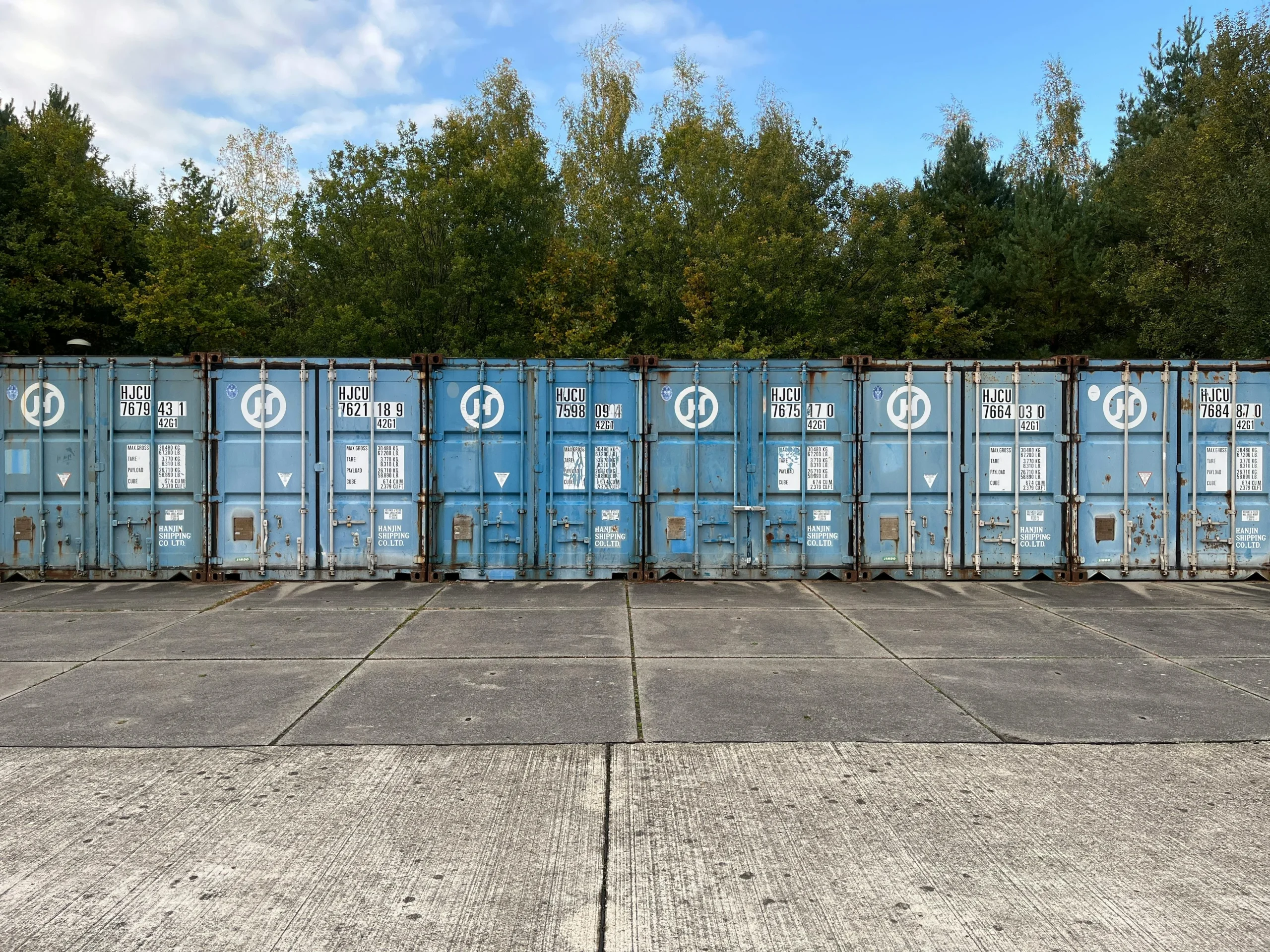
The Future of High-Density Storage: 5MWh+ in a Single 20ft Container
Second-Life EV Batteries in Solar Containers: Technical Challenges and Solutions
Corrosion Resistance 101: Why C5-M Coating is Essential for Offshore Solar Platforms

The Role of Smart Monitoring Systems in Extending Solar Container Lifespan