
2026-04-11
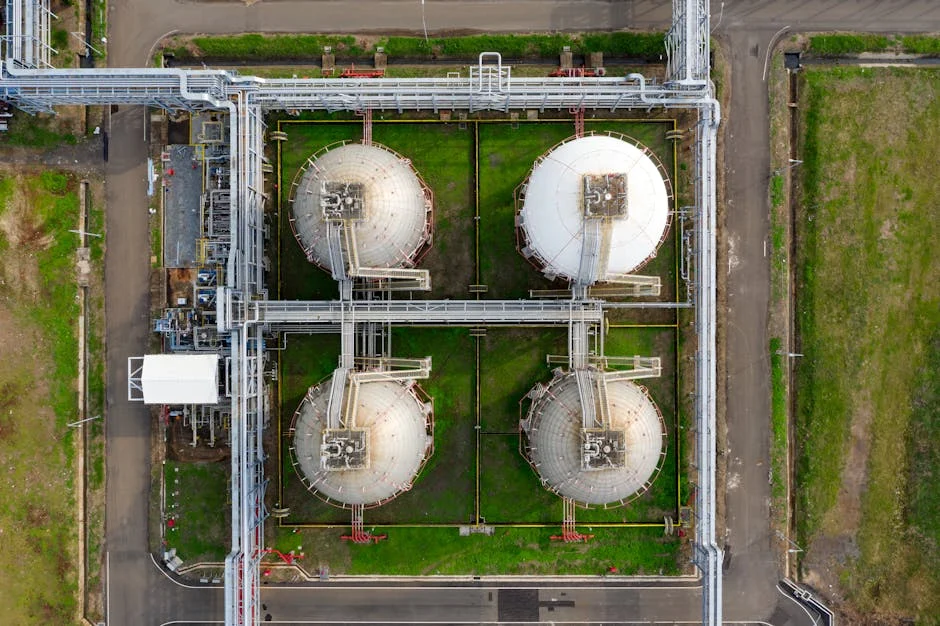
As the world shifts towards renewable energy, island communities are seeking sustainable solutions to meet their energy needs. One innovative approach is the use of solar containers, which can provide a reliable and efficient source of energy. In this article, we will explore how to set up a solar container for island energy, and discuss the benefits and applications of this technology.
Island communities often face unique energy challenges, including limited access to traditional energy sources and high transportation costs. Solar energy offers a promising solution, as it is abundant and can be harnessed using relatively simple technology. However, the installation and maintenance of solar panels can be complex and require significant upfront investment. Solar containers offer a modular and scalable solution, allowing island communities to start small and expand their energy capacity as needed.
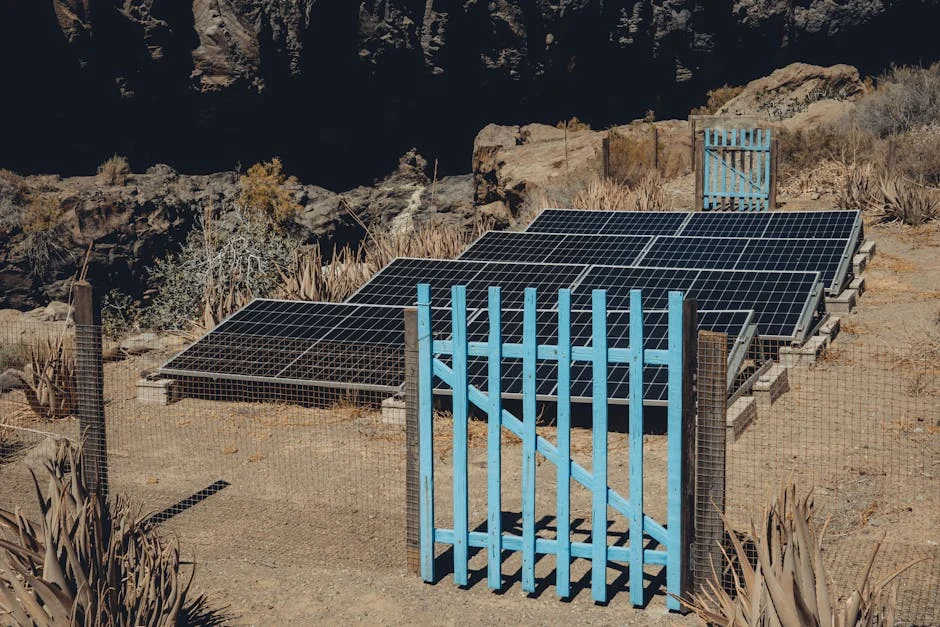
When setting up a solar container, it is essential to consider the design and installation of the system. This includes selecting the appropriate solar panels, battery storage, and power conversion equipment. The container should be designed to withstand harsh weather conditions and provide easy access for maintenance and repair. Additionally, the system should be configured to meet the specific energy needs of the island community, taking into account factors such as energy demand, load profiles, and grid stability.
Energy storage is a critical component of a solar container system, as it allows excess energy to be stored for later use. This can be achieved using battery storage systems, such as lithium-ion batteries or lead-acid batteries. The energy management system should be designed to optimize energy production, storage, and consumption, ensuring that the system operates efficiently and effectively. This may involve the use of advanced technologies, such as smart inverters and monitoring systems.
When integrating a solar container system with an existing grid, it is essential to ensure grid stability and reliability. This requires careful consideration of the system's design and configuration, including the selection of appropriate grid-tie inverters and protective devices. The system should be designed to operate in harmony with the existing grid, providing a stable and reliable source of energy.
Solar containers have a wide range of applications, from providing energy for remote island communities to supporting disaster relief efforts. They can also be used to power remote infrastructure, such as lighthouses, communication towers, and water treatment plants. Additionally, solar containers can be used to support economic development, enabling island communities to establish small businesses and create jobs.
In conclusion, setting up a solar container for island energy is a complex but rewarding process. By carefully considering the design, installation, and operation of the system, island communities can enjoy a reliable and sustainable source of energy. As the world continues to transition towards renewable energy, solar containers are likely to play an increasingly important role in supporting remote and island communities.
How to Optimize Thermal Management in Solar Container
The Future of High-Density Storage: 5MWh+ in a Single 20ft Container
Second-Life EV Batteries in Solar Containers: Technical Challenges and Solutions
Corrosion Resistance 101: Why C5-M Coating is Essential for Offshore Solar Platforms
The Role of Smart Monitoring Systems in Extending Solar Container Lifespan