
2026-04-09
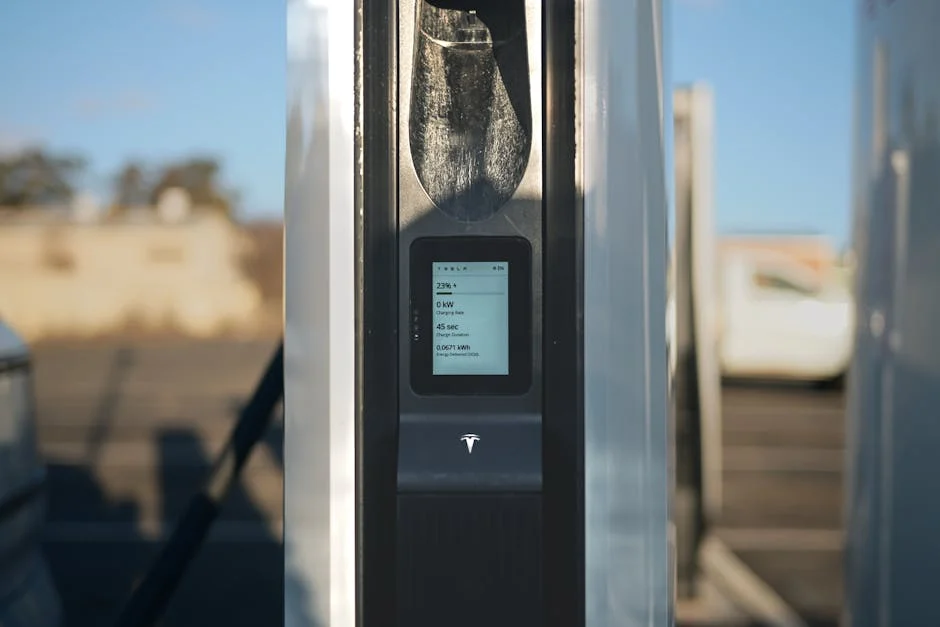
Lithium batteries have become an essential component in modern technology, powering everything from smartphones to electric vehicles. As the demand for these batteries continues to grow, it's natural to wonder about their lifespan. In this article, we'll delve into the world of lithium batteries and explore how long they last.
Lithium batteries, also known as lithium-ion batteries, are a type of rechargeable battery that uses lithium ions to store energy. They offer high energy density, long cycle life, and relatively low self-discharge rates, making them an ideal choice for a wide range of applications. However, like all batteries, lithium batteries have a limited lifespan and will eventually need to be replaced.

The lifespan of a lithium battery depends on several factors, including the type of battery, usage patterns, and environmental conditions. For example, batteries used in high-temperature environments or subjected to deep discharging will have a shorter lifespan than those used in more moderate conditions. Additionally, the quality of the battery and the manufacturing process can also impact its longevity.
Battery cycle life refers to the number of charge and discharge cycles a battery can handle before its capacity starts to degrade. Lithium batteries typically have a cycle life of around 300-500 cycles, although this can vary depending on the specific battery and usage patterns. Understanding the cycle life of a lithium battery is crucial in determining its overall lifespan.
As lithium batteries age, they undergo natural degradation processes that can affect their performance and lifespan. This can include the growth of internal resistance, the loss of lithium ions, and the degradation of the battery's electrolyte. Understanding these aging processes is essential in developing strategies to extend the lifespan of lithium batteries.
Lithium batteries are used in a wide range of applications, from consumer electronics to renewable energy systems. In electric vehicles, lithium batteries are used to power the vehicle's propulsion system, while in solar energy systems, they are used to store excess energy generated by the solar panels. Understanding the lifespan of lithium batteries in these applications is critical in determining their overall efficiency and effectiveness.
In conclusion, the lifespan of a lithium battery depends on a variety of factors, including the type of battery, usage patterns, and environmental conditions. By understanding these factors and the aging processes that occur in lithium batteries, we can develop strategies to extend their lifespan and improve their overall performance. As the demand for lithium batteries continues to grow, it's essential to prioritize research and development in this area to ensure the long-term sustainability of these critical energy storage systems.

How to Optimize Thermal Management in Solar Container

The Future of High-Density Storage: 5MWh+ in a Single 20ft Container

Second-Life EV Batteries in Solar Containers: Technical Challenges and Solutions

Corrosion Resistance 101: Why C5-M Coating is Essential for Offshore Solar Platforms

The Role of Smart Monitoring Systems in Extending Solar Container Lifespan