
2026-04-29
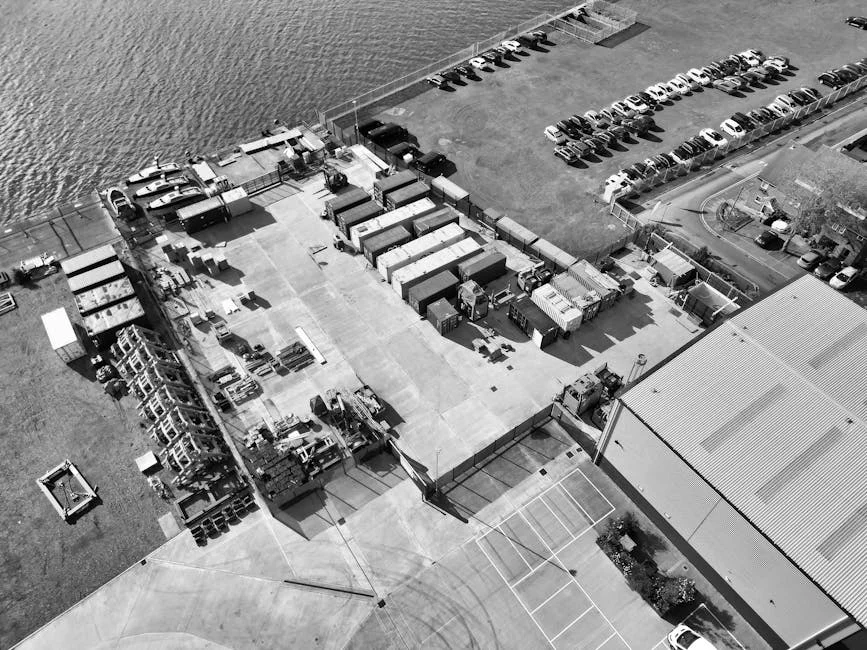
When it comes to Energy Storage Systems (ESS) projects, one of the most critical decisions is choosing the right footprint. The size of the footprint can significantly impact the overall cost-effectiveness of the project. In this article, we will explore the differences between 10ft, 20ft, and 40ft footprints and help you decide which one is the most suitable for your ESS project.
ESS projects have become increasingly popular in recent years due to the growing demand for renewable energy sources. The cost of energy storage systems has decreased significantly, making them more accessible to a wider range of industries and applications. However, the cost of the footprint can still be a significant factor in the overall cost of the project.
The size of the footprint can affect the cost of the project in several ways. A larger footprint can provide more space for equipment and personnel, but it can also increase the cost of land acquisition, site preparation, and maintenance. On the other hand, a smaller footprint can reduce these costs but may limit the capacity of the ESS project.
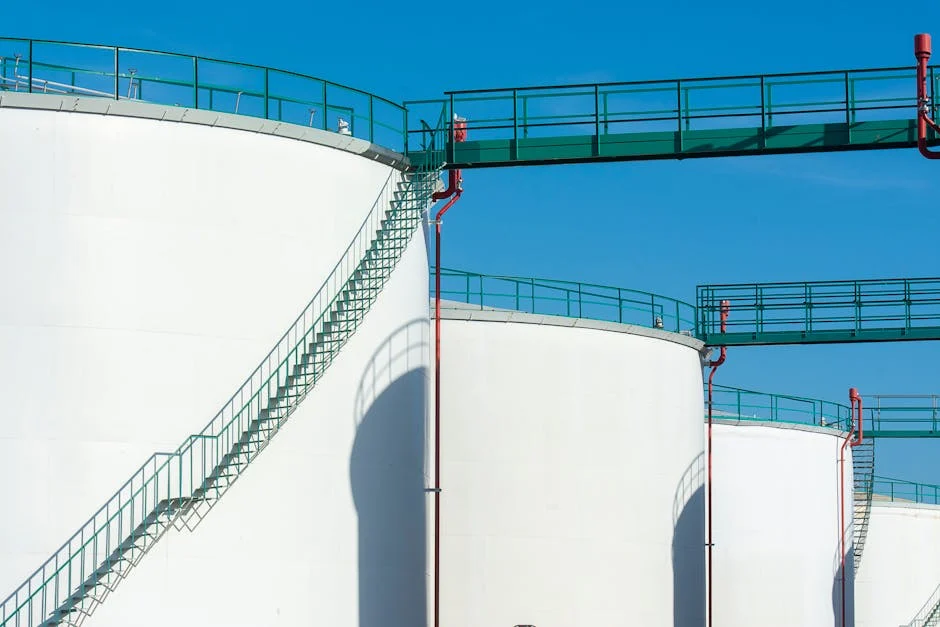
A thorough cost comparison of the three footprints is essential to determine which one is the most cost-effective. The costs associated with each footprint include land acquisition, site preparation, equipment, and maintenance. A 10ft footprint is the most compact and requires the least amount of land, but it may also have limited capacity. A 20ft footprint provides more space for equipment and personnel, but it can also increase the cost of land acquisition and site preparation. A 40ft footprint offers the most space, but it can be the most expensive option.
Another critical factor to consider is the capacity and scalability of the ESS project. A larger footprint can provide more space for additional equipment and personnel, making it easier to scale up the project as needed. However, a smaller footprint may limit the capacity of the project and make it more difficult to expand.
The choice of footprint also depends on the specific application and use case of the ESS project. For example, a 10ft footprint may be suitable for small-scale renewable energy projects, while a 40ft footprint may be more suitable for large-scale industrial applications.
ESS projects have a wide range of applications, from small-scale residential energy storage to large-scale industrial applications. The choice of footprint will depend on the specific requirements of the project, including the capacity, scalability, and cost-effectiveness.
In conclusion, choosing the most cost-effective footprint for your ESS project depends on several factors, including the capacity, scalability, and cost-effectiveness. A thorough analysis of the costs and benefits of each footprint size is essential to make an informed decision. By considering the specific requirements of your project and evaluating the pros and cons of each footprint size, you can ensure that your ESS project is successful and cost-effective.
How to Optimize Thermal Management in Solar Container
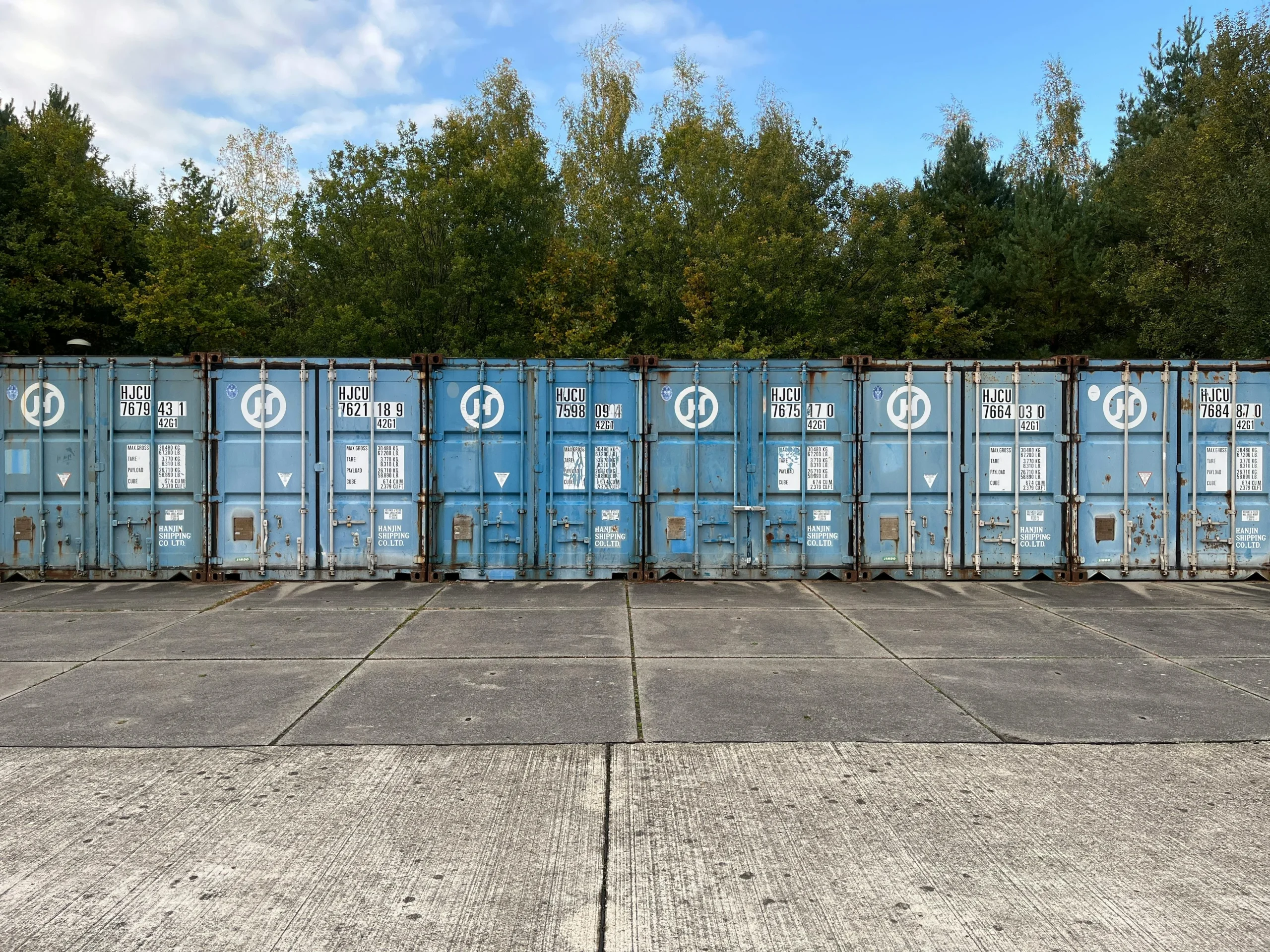
The Future of High-Density Storage: 5MWh+ in a Single 20ft Container
Second-Life EV Batteries in Solar Containers: Technical Challenges and Solutions
Corrosion Resistance 101: Why C5-M Coating is Essential for Offshore Solar Platforms
The Role of Smart Monitoring Systems in Extending Solar Container Lifespan