
2026-04-24
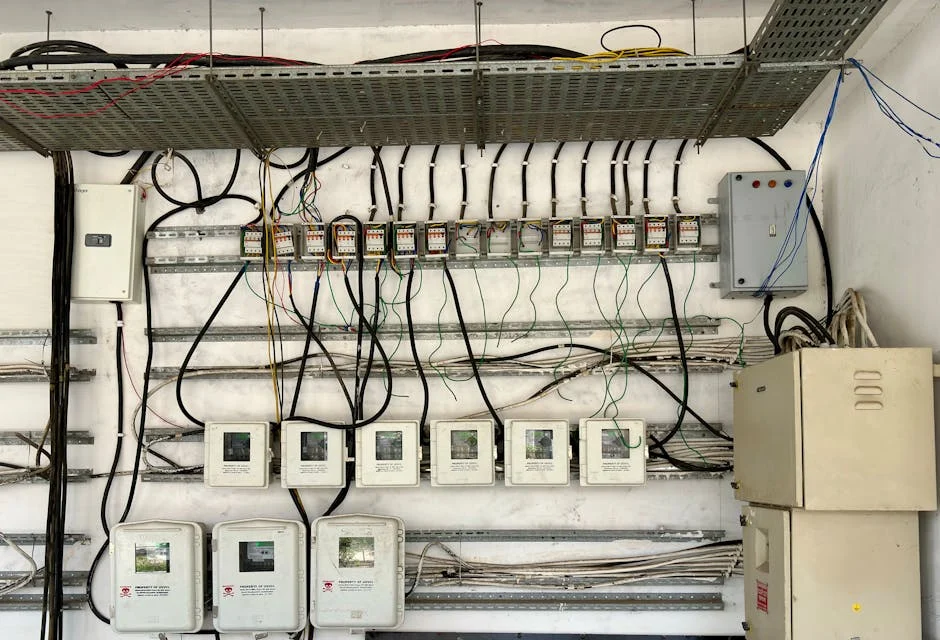
As the world shifts towards renewable energy sources, utility-scale solar containers have become an essential component of the energy landscape. These containers house critical electrical equipment, including inverters, transformers, and battery storage systems, which are necessary for converting and distributing solar energy. However, the high density of electrical equipment in these containers also increases the risk of fires, making fire suppression systems a crucial aspect of their design and operation.
Utility-scale solar containers are designed to be compact and efficient, with multiple components housed in a single unit. While this design has many advantages, it also creates a fire hazard. Electrical faults, component failures, and human error can all contribute to the risk of a fire breaking out. Moreover, the remote location of many solar farms can make it difficult for firefighters to respond quickly in the event of an emergency.
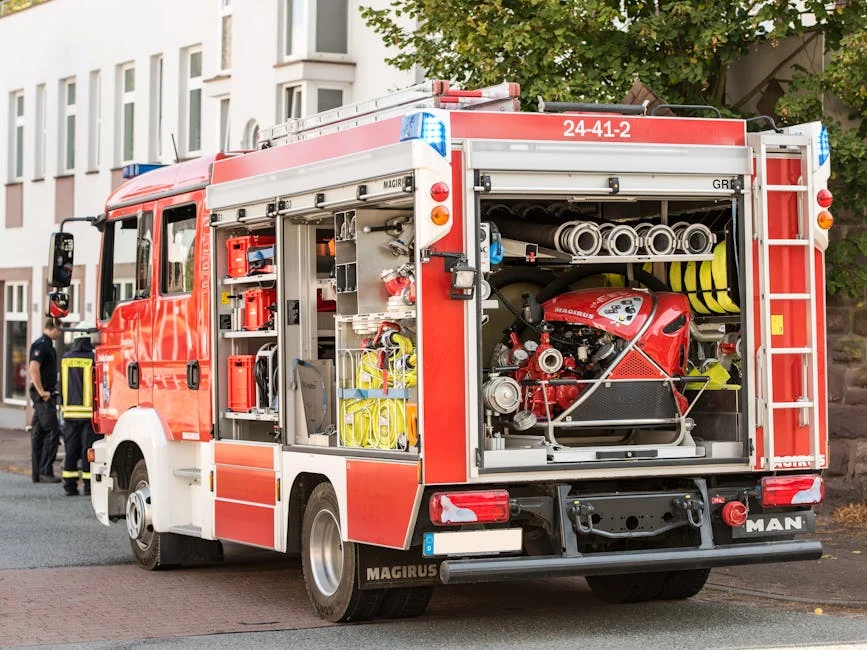
A thorough risk assessment is essential for identifying potential fire hazards in utility-scale solar containers. This includes evaluating the type and quantity of electrical equipment, the proximity of components, and the presence of any ignition sources. By understanding these risks, solar container manufacturers and operators can take steps to mitigate them, including the installation of fire suppression systems.
Fire suppression systems for utility-scale solar containers must be carefully designed to meet the specific needs of these applications. This includes selecting the right type of suppression agent, such as clean agent or carbon dioxide, and ensuring that the system is properly sized and configured for the container. Additionally, the system must be integrated with the container's electrical and control systems to provide rapid detection and response to fires.
Fire suppression systems for utility-scale solar containers must also comply with relevant regulations and standards, such as those set by the National Fire Protection Association (NFPA) and the International Electrotechnical Commission (IEC). Compliance with these regulations helps ensure that the system is designed and installed to provide effective fire protection and minimize the risk of damage or injury.
Fire suppression systems are not just limited to utility-scale solar containers, but can also be applied to other types of renewable energy systems, such as wind turbines and energy storage facilities. By protecting these critical infrastructure components from fire, suppression systems can help ensure the reliability and efficiency of the energy grid.
In conclusion, fire suppression systems are a critical component of utility-scale solar containers, providing essential protection against the risk of fires. By understanding the risks and designing effective suppression systems, solar container manufacturers and operators can help ensure the safe and reliable operation of these critical energy infrastructure components.
How to Optimize Thermal Management in Solar Container
The Future of High-Density Storage: 5MWh+ in a Single 20ft Container
Second-Life EV Batteries in Solar Containers: Technical Challenges and Solutions
Corrosion Resistance 101: Why C5-M Coating is Essential for Offshore Solar Platforms
The Role of Smart Monitoring Systems in Extending Solar Container Lifespan