
2026-04-22
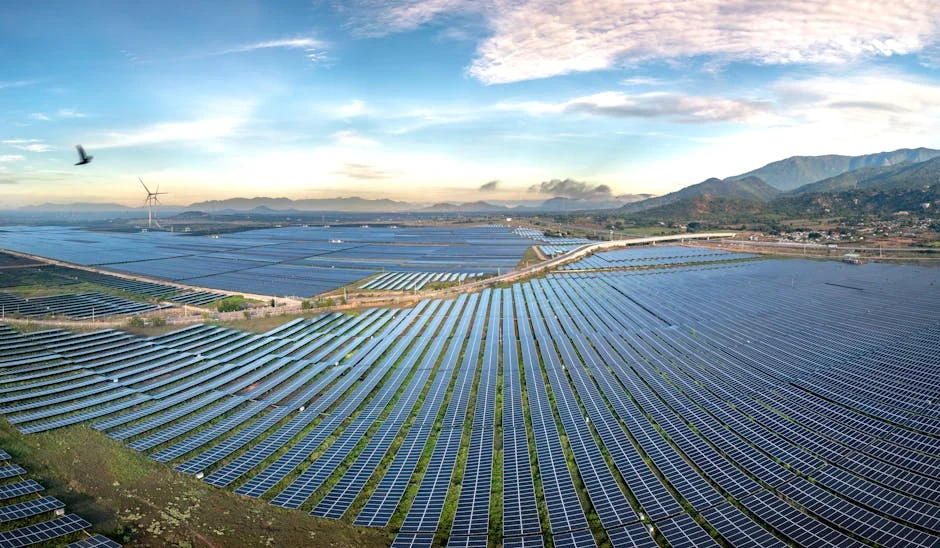
Coastal solar projects are becoming increasingly popular due to the abundance of sunlight and space available in these areas. However, the harsh coastal environment poses significant challenges to the durability and performance of solar equipment. One crucial factor to consider when designing and installing coastal solar projects is the protection level of the equipment against environmental factors such as saltwater, dust, and extreme temperatures. In this article, we will explore the differences between IP55 and IP65 protection levels and provide guidance on selecting the right one for your coastal solar project.
The IP code, also known as the Ingress Protection code, is a standard that rates the degree of protection provided by a device's enclosure against solid objects and water. The code consists of two digits, with the first digit representing the level of protection against solid objects and the second digit representing the level of protection against water. IP55 and IP65 are two common protection levels used in coastal solar projects, with IP55 providing protection against dust and low-pressure water jets, and IP65 providing protection against dust and high-pressure water jets.
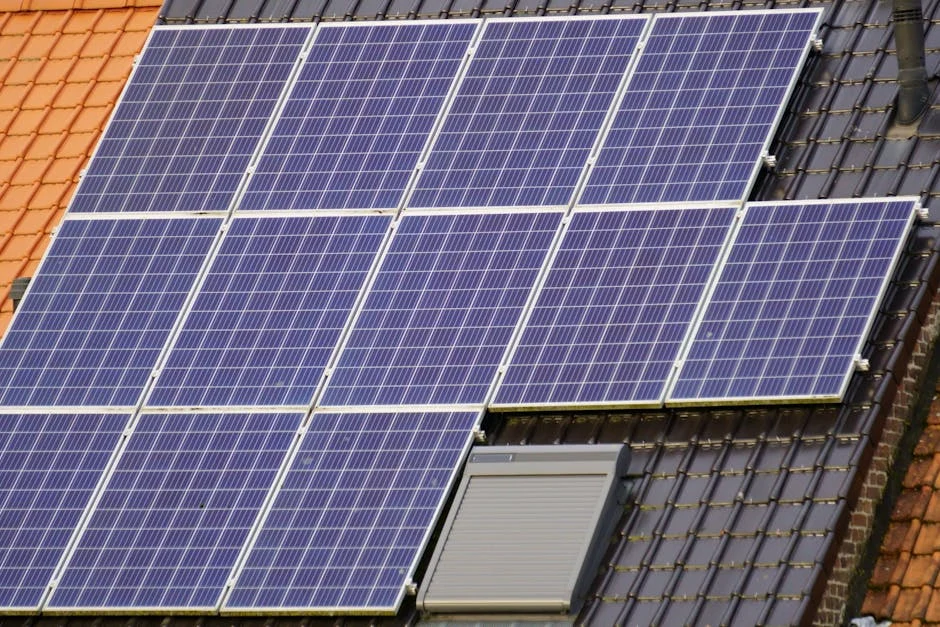
IP55 is a common protection level used in coastal solar projects, particularly for equipment that is not directly exposed to the sea. This level of protection provides a reasonable balance between cost and performance, making it a popular choice for many solar installations. However, IP55 may not be sufficient for equipment that is exposed to high-pressure water jets or extreme weather conditions.
IP65 is a higher level of protection that provides greater resistance to water and dust ingress. This level of protection is typically used for equipment that is directly exposed to the sea or in areas with high levels of rainfall or extreme weather conditions. IP65 is more expensive than IP55, but it provides greater peace of mind and reduced maintenance costs in the long run.
When comparing IP55 and IP65, it is essential to consider the specific requirements of your coastal solar project. If your equipment is not directly exposed to the sea and is located in an area with moderate weather conditions, IP55 may be sufficient. However, if your equipment is exposed to high-pressure water jets or extreme weather conditions, IP65 is likely a better choice. It is also important to consider the cost and maintenance requirements of each protection level, as well as the potential risks and consequences of equipment failure.
Coastal solar projects can benefit from both IP55 and IP65 protection levels, depending on the specific application and location. For example, IP55 may be suitable for solar panels installed on rooftops or in areas with minimal exposure to the sea, while IP65 may be necessary for equipment installed in areas with high levels of rainfall or extreme weather conditions. It is essential to consult with a qualified engineer or solar expert to determine the most suitable protection level for your specific application.
In conclusion, selecting the right protection level for your coastal solar project is crucial to ensuring the durability and performance of your equipment. By understanding the differences between IP55 and IP65, you can make an informed decision about the most suitable protection level for your specific needs. Remember to consider factors such as cost, maintenance requirements, and potential risks and consequences of equipment failure when selecting a protection level. With the right protection level, you can ensure the long-term success and profitability of your coastal solar project.
How to Optimize Thermal Management in Solar Container
The Future of High-Density Storage: 5MWh+ in a Single 20ft Container
Second-Life EV Batteries in Solar Containers: Technical Challenges and Solutions
Corrosion Resistance 101: Why C5-M Coating is Essential for Offshore Solar Platforms
The Role of Smart Monitoring Systems in Extending Solar Container Lifespan